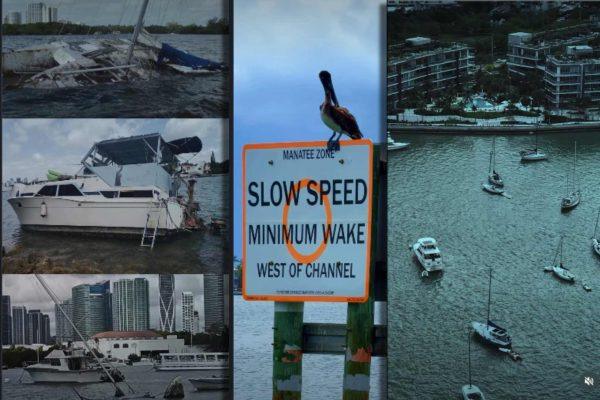
Miami Beach's glittering waterfront, known for its luxury condos and superyachts, hides a quieter crisis: over 140 abandoned vessels have been removed from Biscayne Bay since October. These derelict boats, left to drift or sink by their owners, are not just an eyesore—they're a costly environmental and economic problem for the city and the state.
The root cause is a familiar one in South Florida: the rising cost of living and the widening gap between the ultra-wealthy and everyone else. As Miami-Dade's cost of living pushes essential workers out, even middle-class boat owners are finding it impossible to keep up with the expenses of marina fees, maintenance, and fuel. Many buy entry-level pleasure craft without understanding the long-term costs, and when the bills pile up, they simply walk away.
"People buy a boat without realizing that dry docking, fueling, and commercial slips can cost thousands a month," a marine law enforcement officer told local media. "When they can't afford it, they abandon it."
The problem is compounded by the transformation of Miami's waterfront. Historic boatyards and public docking facilities are being replaced by luxury high-rises and private slips for superyachts. This leaves legacy owners with few affordable options to store their vessels, forcing them to leave them adrift.
Environmental Toll on Biscayne Bay
Beyond the aesthetic blight, the abandoned vessels pose a serious threat to the delicate ecosystem of Biscayne Bay. When a hull sinks or runs aground, it releases petroleum, heavy oils, and toxic anti-fouling coatings into the water. These pollutants poison the seagrass meadows that serve as nurseries for commercial fish species and protected marine mammals.
"These half-sunken hulls are environmental time bombs," said a biologist from the University of Miami. "They directly damage the bay's ability to support wildlife and hurt the local eco-tourism and fishing industries."
The state of Florida, which leads the nation with over 1.2 million registered recreational vessels, has spent an estimated $13 million on salvage operations alone. These funds, intended for wildlife conservation or infrastructure, are instead used to hire heavy salvage cranes and dive crews to remove the wrecks.
This crisis is not just about boats—it's about the changing face of Miami. As the city becomes a playground for the global elite, the middle class is being squeezed out. The same forces that are driving Latinos to leave Miami for more affordable cities are also pushing recreational boaters out of the water.
"This is a sign of a deeper shift," said a local maritime historian. "Miami's waterfront is no longer a community space—it's a corporate asset."
Policymakers are now debating stricter title laws that would hold boat buyers responsible for the entire lifecycle of their craft. But for now, the abandoned vessels remain a floating symbol of the city's growing inequality and environmental neglect.