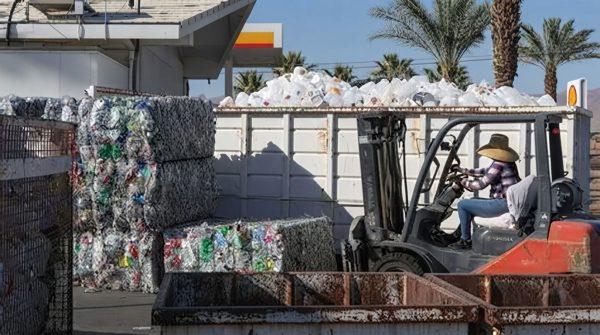
California is set to implement a sweeping environmental regulation that will change how everyday goods are packaged—and how much families pay at the checkout counter. Starting in August 2026, the state will impose fees on manufacturers that use hard-to-recycle packaging, a move aimed at curbing plastic pollution. But as with many environmental policies, the costs won't stay with corporations. They'll trickle down to consumers, and Latino households across the state are likely to feel the pinch.
The new rule, part of the California Environmental Protection Agency's oversight and approved by CalRecycle, requires producers to register with the Circular Action Alliance and pay fees based on the recyclability of their packaging. The goal is ambitious: by 2032, all commercial packaging in California must be recyclable or compostable. But the transition comes with a price tag.
What This Means for Your Wallet
State authorities estimate that each household will face an extra annual expense ranging from $66 to $190 USD. For a family in Los Ángeles or the San Fernando Valley, that could mean an additional $15 or more per month on groceries alone. Consumer advocacy groups warn that lower-income communities—where many Latino families live—will bear the brunt of these increases. "This is a regressive tax on the people who can least afford it," said María González, a policy analyst with the Latino Community Foundation in Sacramento.
Local merchants and retailers will shift portions of their operational expenses onto buyers. Supermarkets in East L.A., San Diego, and the Central Valley will likely raise prices on everything from canned goods to bottled drinks. Financial experts project considerable price spikes throughout the regional daily cost of living, especially in the food and beverage sector.
Small businesses reporting gross sales under $1 million annually are temporarily exempt from the fees, but major industrial brands will absorb the full cost of compliance—and pass it on. "The burden falls on working families," said Carlos Rivera, owner of a small grocery chain in Fresno. "We're already struggling with inflation. This will make it worse."
The state government defends the policy by arguing long-term environmental benefits for future generations. Governor Gavin Newsom's administration has framed the law as a necessary step to reduce plastic waste in oceans and landfills. But critics, including some Latino business owners and community leaders, say the timing is off. "We're still recovering from the pandemic and facing high housing costs," noted Ana Lucía Hernández, a community organizer in San José. "Adding another expense without support is unfair."
For Latino families, who already spend a higher percentage of their income on groceries and household goods, the impact could be significant. According to a 2023 study by the UCLA Latino Policy and Politics Institute, Latino households in California spend about 12% of their income on food, compared to 8% for white households. Every dollar counts.
Consumer advocacy centers recommend planning weekly grocery trips ahead of time to optimize household budgets. Regional chambers of commerce are offering specialized counseling to small businesses to help them adapt without compromising financial stability. Meanwhile, economic analysts are monitoring price behavior closely, and business associations are debating whether they can absorb loss margins without severely damaging the domestic economy.
This isn't the first time California has pushed environmental policies that affect household costs. Earlier this year, the state launched a program offering up to $3,500 for first-time EV buyers, a move that benefits wealthier households more than working-class families. California Offers Up to $3,500 for First-Time EV Buyers: What Latinos Need to Know highlights the disparities in who can take advantage of such incentives.
The new recycling law also comes amid broader housing and economic challenges. California's $11.25 Billion Housing Plan: What It Means for Latino Families shows how state policies often miss the mark for Latino communities. And with Nearly 20 Million Californians Live Near Active Fault Lines, environmental risks are already a daily reality.
As the August 2026 deadline approaches, the debate will intensify. Will the long-term environmental gains outweigh the short-term economic pain? For Latino families in California, the answer may depend on how well the state balances its green ambitions with the real-world costs of living.