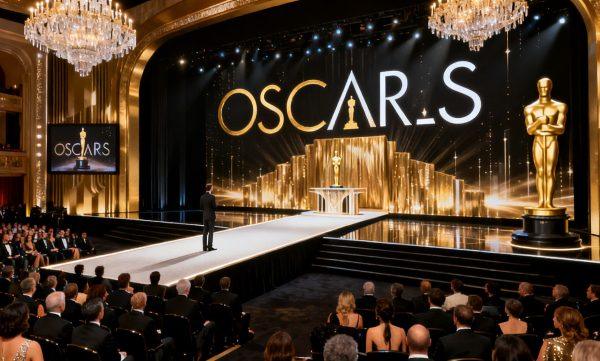
The 98th Academy Awards are set to illuminate Hollywood this Sunday, March 15, but the glow of the spotlight will be matched by intensified security measures. The ceremony at Los Angeles's famed Dolby Theatre will proceed under a reinforced safety apparatus, a response to a federal alert concerning potential aerial threats in California.
A Federal Alert Prompts Proactive Measures
In early February 2026, the FBI circulated a memorandum to state and local agencies warning of a possible "surprise attack" using unmanned aerial vehicles against targets in California. The alert suggested Iran might consider such action from a vessel off the U.S. coast, particularly if the United States took military action against the nation. While authorities have stated there is no specific, imminent threat, the high-profile nature of the Oscars triggered immediate coordination to bolster defenses.
"We are always mindful of what is happening in the world and have the support of the FBI and the Los Angeles Police Department," said Raj Kapoor, the telecast's executive producer, during a March 11 press conference. He stressed that the priority is ensuring all attendees—from global stars to industry guests—feel secure and welcome. The goal, Kapoor noted, is to allow the celebration of cinema to proceed with peace of mind for everyone on the red carpet and inside the theater.
Balancing Vigilance with Reassurance
California Governor Gavin Newsom has sought to temper public concern while affirming the state's preparedness. On social media, Newsom stated his administration is in "constant coordination" with security and intelligence officials to monitor potential threats linked to Middle East conflicts. "While we are not aware of any imminent threats at this time, we remain prepared…" he posted. This sentiment reflects the delicate balance officials are striking: implementing robust, unseen security protocols while avoiding a visible police surge that could generate unnecessary alarm.
In Los Angeles, the County Sheriff's Department and other agencies have elevated their readiness. Their coordinated efforts aim to monitor a spectrum of potential risks, from isolated actors to technological disruptions. Security around the Dolby Theatre and the iconic red carpet has been discreetly intensified during final preparations.
The Academy of Motion Picture Arts and Sciences has confirmed the gala will proceed as scheduled. All logistical rehearsals, including the traditional red carpet walk-through, have been completed. The show must go on, but it will do so within a carefully constructed framework of safety. This layered approach is emblematic of hosting a global spectacle in a complex era, where the glamour of Hollywood's biggest night intersects with contemporary security realities.
For our audience with deep ties across the Americas, the situation may resonate with experiences in major cities like México City, Bogotá, or Buenos Aires, where large-scale public events often navigate similar security considerations. The response also highlights California's ongoing role as a global crossroads for culture and entertainment, a theme explored in our look at The California Exodus and the cultural shifts within the state.
Furthermore, the focus on Los Angeles as a host city underscores its enduring pull for Latino artists and creators. From actors nominated for their performances to musicians like Karol G, who has graced major stages worldwide, the city remains a pivotal hub. The security planning also comes as California prepares for other international events, including the 2026 World Cup, which will see matches played across the state.
Ultimately, the 98th Oscars represent more than an awards ceremony; they are a testament to the resilience of collective cultural celebration. With millions watching worldwide, authorities have chosen a path of maximum precaution to safeguard an evening dedicated to the artistic achievements of a global industry. The show, with all its anticipated drama and joy, will unfold under a watchful but determined eye, ensuring the focus remains where it belongs: on the power of cinema.