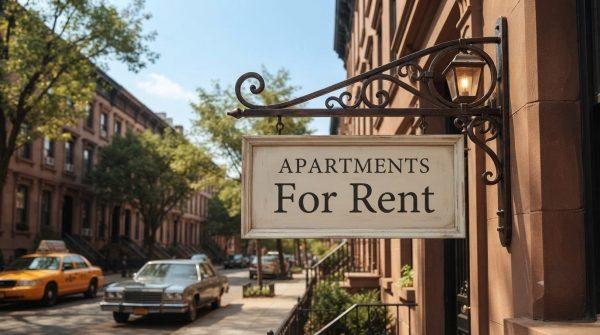
For many Latino families in New York City, finding a place to live that doesn't consume most of their paycheck feels like an impossible dream. But a new affordable housing opportunity in Brooklyn is offering a glimmer of hope: apartments with rents starting at $777 per month.
The New York City Department of Housing Preservation and Development recently announced this lottery, which aims to provide stable, low-cost homes in one of the city's most dynamic boroughs. The program is part of a broader push to address the housing crisis that has pushed many working-class residents, including a significant number of Latinos from communities like Bushwick, Sunset Park, and Williamsburg, to the brink of displacement.
How the Brooklyn Housing Lottery Works
Access to these units is managed exclusively through the official NYC Housing Connect portal. Interested applicants must create a detailed profile on the platform, where they can review specific criteria for each building, including permitted salary ranges and household size. The system uses a random lottery to select applicants, so submitting an application does not guarantee an apartment.
Once selected, candidates must provide proof of income, tax returns, and other documents to verify their eligibility. The city's technical staff audits these submissions thoroughly before scheduling follow-up interviews. This rigorous process ensures that the benefits reach those who truly qualify under the Area Median Income (AMI) guidelines.
Many applicants miss the definitive closing dates for these opportunities, so it's essential to monitor the platform regularly. After the application period ends, the system generates a waiting list, and those chosen are contacted via email or written communication to proceed with background checks and final document inspection.
Benefits Beyond Low Rent
These affordable units offer more than just a lower price tag. Tenants gain access to modern apartments in neighborhoods connected to transit services, parks, and recreational areas. The program allows families to redirect resources toward savings, education, or healthcare, improving their overall quality of life.
The AMI framework ensures that the government distributes benefits equitably across different segments of the working class, fostering a more diverse and balanced urban coexistence. For Latino renters who have seen their communities change rapidly due to gentrification, these initiatives represent a tangible effort to preserve their roots in key neighborhoods.
Similar efforts are underway in other cities. For instance, Los Angeles recently approved a $2 billion Skid Row housing project with 1,500 affordable units, and Van Nuys launched a tiny home village offering rent-free 64-square-foot units. These projects reflect a growing recognition that affordable housing is a critical need across the country.
For those feeling overwhelmed by the technical requirements, watching specialized video guides can simplify the navigation process and provide practical strategies to organize applications efficiently. The city also continuously trains its staff to assist applicants in correctly uploading information, minimizing errors that could disqualify families early in the evaluation.
These initiatives reaffirm a commitment to protecting residents against displacement. For many Latino families who contribute daily to New York's growth, the pursuit of a dignified home becomes a tangible right through proper application on the portal for affordable housing.