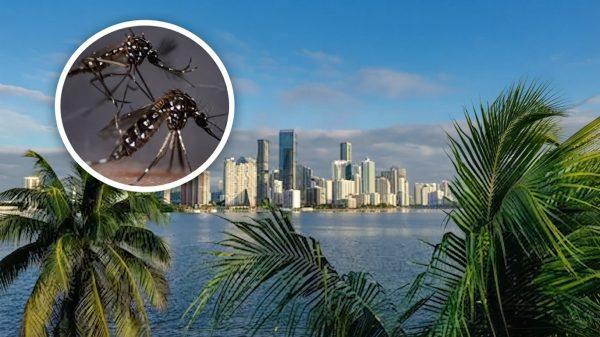
Florida health officials have raised alarms after confirming locally acquired dengue fever cases in three counties, signaling that the mosquito-borne virus is now spreading within the state. The Florida Department of Health (DOH) reported infections in Hillsborough, Pinellas, and Miami-Dade, with Hillsborough leading at eight cases and Pinellas confirming two. These are not travel-related; patients had no recent history of visiting endemic regions, meaning the virus is circulating through local mosquito populations.
The news has prompted an aggressive response from county health departments and mosquito control districts. In Hillsborough, Gabriela Henderson of the Mosquito Control Services explained the challenge: "It is a mosquito that breeds in containers, which unfortunately means it likes to breed in things like buckets, flower pots, even trash left outside, maybe a child's toy left upside down." Her words underscore a simple but critical fact: the Aedes aegypti mosquito thrives in the small, often overlooked pockets of water that collect around homes.
Local transmission confirmed, not just imported cases
What makes this outbreak particularly concerning is the confirmation of local transmission. Unlike imported cases—where a traveler brings the virus back from places like Puerto Rico or other Caribbean hotspots—these infections occurred entirely within Florida. The DOH notes that the state's proximity to regions with active dengue, combined with frequent international travel, makes reintroduction and local spread a constant threat. That's why officials are treating this as a public health priority, not a passing concern.
In response, both Hillsborough and Pinellas have ramped up mosquito control operations, including ground spraying, aerial larvicide applications, and door-to-door inspections. The goal is twofold: reduce the adult mosquito population and eliminate breeding sites before the virus can gain a stronger foothold. But health officials stress that their efforts alone won't be enough. "This crisis demands the active participation of every citizen," said a spokesperson for the Pinellas County Health Department. "We need residents to check their yards, empty any standing water, and report areas that might be harboring mosquitoes."
Miami-Dade on high alert
Meanwhile, in Miami-Dade, the DOH issued a local alert after confirming the county's first community-acquired case. The county has long been a gateway for tropical diseases, given its close ties to the Caribbean and Latin America. Health officials are urging residents to inspect their properties for anything that could hold water—old tires, flower pot saucers, children's toys, even bottle caps. They're also working with local clinics to speed up diagnosis, since early detection can prevent severe complications.
Dengue symptoms typically appear four to ten days after a bite from an infected mosquito. They include sudden high fever, severe muscle and joint pain, pain behind the eyes, and a rash. Many people mistake it for a bad flu, but dengue can escalate quickly, so seeking medical care early is vital. In schools and community centers across the affected counties, health educators are distributing guides and holding sessions to raise awareness, especially among families who may not know the risks.
The situation in Florida is a reminder that dengue is not just a problem "over there." It's here, in our neighborhoods, and it's spreading. The good news is that we have the tools to stop it. Simple habits—like emptying standing water weekly, using EPA-registered insect repellent, and keeping screens on windows and doors—can make a real difference. As one health official put it, "We're all in this together. The mosquito doesn't care about county lines or zip codes."
For those living in or near the affected areas, staying informed is key. The DOH updates its website with the latest case counts and recommendations. And while the current numbers may seem small, the potential for a larger outbreak is real, especially as summer heat and humidity create ideal breeding conditions. So take the warnings seriously: check your yard, protect your family, and help keep dengue from spreading further.
This outbreak also echoes broader concerns about public health infrastructure and climate change, which are expanding the range of tropical diseases. For now, Florida's response is a model of vigilance, but it's a reminder that we all have a role to play in safeguarding our communities.