For Mexican citizens living near the U.S.-Mexico border, the dream of crossing into the United States for a quick shopping trip, a family visit, or a business meeting often hits a wall of paperwork and long wait times. But there's a lesser-known document that can make that journey much smoother: the Border Crossing Card, officially known as Form DSP-150.
Issued by the U.S. Department of State, this credit-card-sized document is more than just a pass. It functions as a combined B1 (business) and B2 (tourist) visitor visa, allowing cardholders to enter the U.S. through land ports of entry in the border states of California, Arizona, New Mexico, and Texas. For many, it's a lifeline that keeps families and economies connected across the line.
Who Can Get the DSP-150?
The card is exclusively for Mexican citizens who reside in Mexico. That means if you're a Mexican national living in the U.S. on a different visa, this isn't for you. You must also meet the standard requirements for a B1/B2 visa, which include proving strong ties to Mexico—like a job, family, or property—that ensure you'll return after your visit. The card allows stays of up to six months, but most border crossings are much shorter.
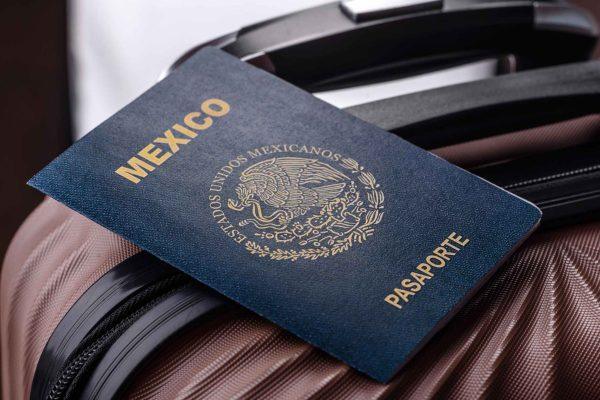
Applicants need a valid Mexican passport to start the process. The application is done through U.S. consular offices in Mexico, where you'll have an interview and provide biometric data. It's a straightforward process, but it requires careful preparation.
Fees and Validity
One of the most attractive features of the DSP-150 is its ten-year validity. That means you won't need to renew it every year like some other documents. For children under 15, there's a reduced fee if their parents already have or are applying for the card. In that case, the child's card expires on their 15th birthday, unless you pay the full fee to get the full ten years.
The legal basis for this card comes from the Illegal Immigration Reform and Immigrant Responsibility Act of 1996, which was designed to facilitate lawful cross-border travel and trade. It's a practical tool that recognizes the unique relationship between the U.S. and Mexico.
For many Mexican families, the Border Crossing Card is a game-changer. It allows them to visit relatives in places like San Diego, El Paso, or Tucson without the hassle of applying for a traditional visa each time. It also supports local economies on both sides, as shoppers and business owners move freely across the border.
If you're considering applying, it's worth noting that the card is not a substitute for a full visa if you plan to travel beyond the border states or stay longer than six months. But for those who live near the border, it's an invaluable resource.
As immigration policies continue to evolve, the DSP-150 remains a stable option for Mexican citizens. It's a reminder that, despite the challenges, there are legal pathways that keep our communities connected. For more on border-related issues, you might be interested in the impact of border wall construction on indigenous lands or how Texas is leading in AI data centers.
In a time when immigration debates often dominate headlines, it's good to know that practical solutions exist. The Border Crossing Card is one of them, and it's helping thousands of Mexicans navigate their lives with dignity and ease.