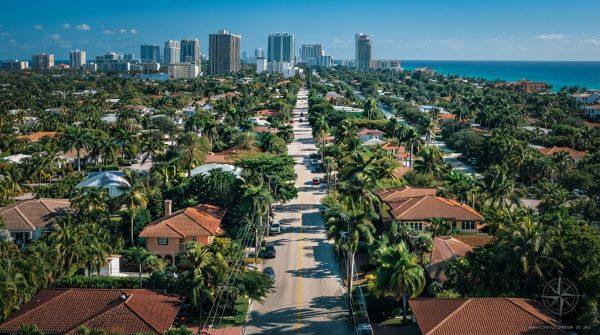
For many US retirees, Puerto Rico sounds like a dream: warm weather, vibrant culture, and the allure of Caribbean living without leaving US soil. But the reality is more complicated. While the island offers significant tax advantages, the financial and logistical hurdles can catch newcomers off guard. From housing costs in San Juan to the intricacies of local bureaucracy, careful planning is essential.
The Real Cost of Island Living
Housing is often the biggest surprise. In early 2026, a two-bedroom apartment in San Juan averaged $2,400 per month, while the island-wide average was around $1,950, according to Zillow. In upscale Dorado, single-family rentals range from $2,100 to $30,000 monthly. This wide disparity means that choosing a neighborhood is not just about lifestyle—it's a major financial decision.
Electricity is another significant expense. With rates fixed at $0.26 per kWh in early 2026, running air conditioning continuously can add hundreds to monthly bills. Add to that the cost of hurricane insurance, which is essential in a region prone to storms, and the initial year can be a rude awakening for those who didn't budget properly.
Financial advisors strongly recommend renting for at least twelve months in your target neighborhood before buying. This gives you time to understand the community, seasonal utility costs, and the true maintenance demands of local properties. It also aligns with the two-year home purchase requirement under Act 60, making it a practical strategy.
Budgeting for Retirement
So, how much do you really need? A typical couple might spend around $84,800 annually, including housing, utilities, food, and healthcare. Medicare Part B premiums alone are $202.90 per person per month, totaling nearly $4,870 a year for a couple before supplemental coverage.
Social Security benefits average $3,355 per month after the 2027 cost-of-living adjustment, which comes to $40,260 annually. That leaves a gap of about $44,540, which would require a portfolio of roughly $1.11 million if you follow the 4% withdrawal rule. For those retiring in their early sixties and wanting a more conservative 3.5% withdrawal rate, the target jumps to $1.27 million.
Delaying Social Security until age 70 can boost benefits by 8% per year, which might close the gap entirely. Meanwhile, a treasury ladder strategy during your rental year can protect your purchase capital from market volatility.
Tax Perks and Pitfalls
Puerto Rico offers unique tax benefits under the US tax code. If you become a bona fide resident, income sourced from the island is exempt from federal taxes. However, distributions from mainland IRAs and 401(k)s remain federally taxable. Local income tax rates top out at 33% for earnings above $61,500, but pensioners aged 60 and older get an $11,000 exemption, and Social Security is not taxed locally.
To qualify as a resident, you must spend at least 183 days a year on the island and avoid maintaining a primary home on the mainland. This means letting go of that vacation condo in Florida or the family house in New York—keeping it could jeopardize your tax status.
Act 60 decrees are another consideration. If you secure a decree by December 31, 2026, you lock in a 0% Puerto Rico tax rate on interest, dividends, and post-move capital gains through 2036. After that, new applicants face a 4% rate. For most retirees, this difference mainly affects taxable accounts, so it's not a deal-breaker, but it's worth planning around.
Making the Move Work
Beyond the numbers, integration matters. Puerto Rico has excellent private hospitals, and many doctors are bilingual, but it's wise to research healthcare options in your area. Cultural integration programs can help newcomers build connections and navigate local customs, making the transition smoother.
Community networks are invaluable for practical advice on everything from public transit to dealing with government agencies. And when you do buy, be prepared for windstorm insurance deductibles that can be surprisingly high.
Retiring in Puerto Rico is not just a financial decision—it's a lifestyle change. With the right preparation, it can be incredibly rewarding. But as many have learned, paradise comes with a price tag. For more on the island's evolving economy, check out how local nurses are building their own ventures.