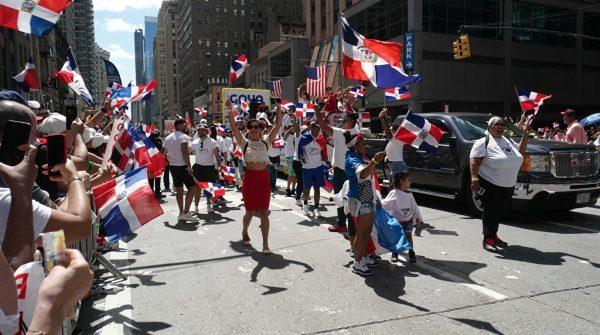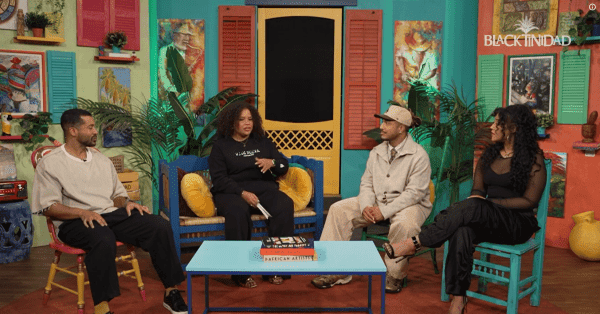
While February brings a designated focus on Black history, for Afro-Latinos across the Americas, that history is not a seasonal observance. It's a daily reality, woven into language, music, family stories, and community resilience. This central truth fuels a compelling new episode of the podcast Blacktinidad, where hosts Nelson Estévez and Samira Beija move beyond a simple discussion into a profound session of shared experience.
"The boat made different stops, but we all come from the same motherland," one voice notes in the conversation, a poignant reminder of the shared African roots that connect diasporic communities from Colombia's Pacific coast to the Dominican Republic's vibrant barrios. This isn't about a monolithic identity, but rather a foundational one, shaped by distinct migrations, survivals, and cultural creations that defy borders.
Beyond the Calendar: Culture as a Daily Practice
The episode powerfully connects this history to present-day action. It argues that genuine recognition means consistently supporting Black-owned businesses, intentionally seeking out Black films and media, and understanding that representation is built, not granted. Waiting for mainstream institutions to tell these stories is insufficient; if communities don't actively invest in their own creators, journalists, and artists, vital narratives risk being lost.
This active preservation is deeply tied to how history is learned and taught. The hosts critique educational systems that often present a truncated, sanitized version of Black history, one that skips crucial context and avoids discomfort. For Afro-Latinos, this gap makes self-education and intergenerational storytelling not just beneficial, but essential. Black history, they assert, is not a relic. It is a living, evolving force being shaped right now through cultural expression, activism, and everyday choices.
This perspective resonates with broader cultural conversations about roots and representation. For instance, understanding the full story of genres like reggaetón requires acknowledging the African diasporic rhythms at its core, a history that stretches across the Caribbean.
Black culture isn't something we 'remember' in February, it's something we live, protect, and create every single day.
By the episode's end, the message is unequivocal: Black culture is not seasonal. It doesn't require a month for validation, but rather demands consistent respect, visibility, and support throughout the entire year. The work isn't about looking back; it's about actively building the future.
This call for sustained engagement extends beyond culture into practical life, mirroring the need for long-term planning in areas like financial security for Latino families. It's about building legacy in all facets of life.
New episodes of Blacktinidad are released weekly on LatiNation, continuing to spotlight authentic conversations rooted in the multifaceted realities of Afro-Latino identity and experience.