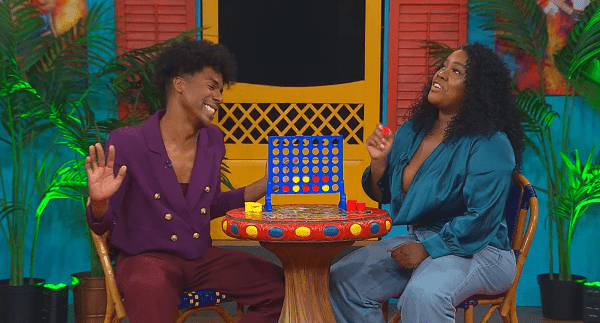
Online debates about reggaeton's birthplace often erupt into a familiar, polarized standoff: Puerto Rico versus Panama. But framing the genre's history as a territorial dispute misses the profound, interconnected story of how it was actually made. In a revealing conversation on the series Blacktinidad, historian and multimedia artist La Gata offers a cultural reset, tracing reggaeton's lineage through movement, migration, and the Black diaspora across the Americas.
A Rhythm Built Across Borders
La Gata, whose own roots span Panama, Jamaica, and the United States, emphasizes from the start that reggaeton was never the product of a single place or flag. "It came from movement, migration, and the Black diaspora shaping sound across borders," she explains. The rhythmic blueprint, the unmistakable dembow, originates in Jamaican dancehall and reggae. In the 1980s and early '90s, Panamanian artists like El General and Nando Boom were pivotal, translating these rhythms into Spanish long before the genre had its global name.
This sound traveled and evolved through migrant communities. In cities like Boston, vibrant Dominican populations helped shape the early culture and spread the music. Puerto Rico then became a crucial engine, absorbing these influences and catalyzing them into a defined musical movement. Artists in San Juan and other cities refined the sound, branded it with the name 'reggaeton', and ultimately propelled it onto the world stage. As La Gata clarifies, these contributions don't cancel each other out—they are essential chapters in the same story.
"Arguing opinions doesn't matter. What matters are the stories of the people who were actually there," La Gata states, shifting the focus from rivalry to historical testimony.
This commitment to factual storytelling led La Gata to create Perreo 101, an educational platform born from frustrating online arguments. The project serves as a space to "bring receipts," properly credit pioneers, and center voices that mainstream histories often erase. The goal isn't to crown a winner but to present a complete, honest narrative that acknowledges the foundational role of Black and Afro-Latino communities.
Centering the Often Unseen
The conversation moves beyond musical chronology to address who is remembered within reggaeton's history. La Gata speaks openly about the vital importance of centering LGBTQ+ voices in a genre that hasn't always made space for them. "If we don't see us, who will?" she asks, reminding us that queer people have always been integral to the culture's parties, style, and energy, even when excluded from the spotlight. For her, this visibility isn't a passing trend but a matter of cultural survival and accuracy.
This holistic view resonates with how we cover artists today, from Rosalía's genre-defying work to the raw emotion in Feid's performances. It's a reminder that our music is constantly evolving, yet its roots demand recognition.
The final takeaway is both clear and liberating: reggaeton isn't owned by one country, sound, or generation. It is a shared cultural creation, a tapestry woven from the experiences of Black communities across the Caribbean and its diaspora. Understanding this complex history isn't about starting new fights; it's about staying focused, honoring deep roots, and protecting a rich culture from being flattened or rewritten for convenience.
You can watch the full Cuéntame segment featuring La Gata and more episodes of Blacktinidad on LatiNation, where conversations about Latino identity and culture are always substantive. For our audience thinking about their own legacy, this historical perspective aligns with the forward planning we see in stories like navigating retirement in the U.S., where understanding your foundation is key to building the future.