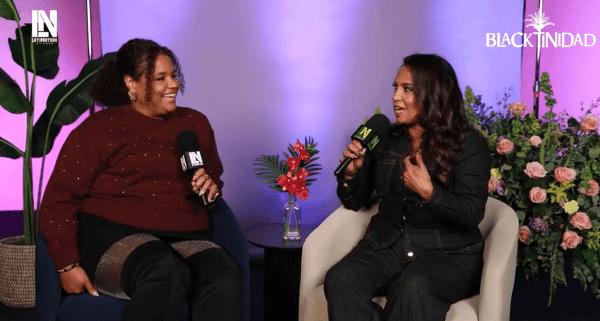
In a recent conversation on LatiNation Roots' Blacktinidad, dancer, storyteller, and cultural archivist Vergi Rodriguez opened up about a career that has spanned dance, narrative, and memory. What started as a personal reflection quickly evolved into a broader discussion: how Afro-Latina artists navigate creative industries that often leave little room for them.
Rodriguez began her professional journey in New York City, one of the most competitive creative hubs in the world. She trained relentlessly, auditioned constantly, and eventually performed alongside icons like Prince. But the experience also revealed an uncomfortable truth about the entertainment business.
“There’s always only one slot for someone a little darker,” she said during the segment.
That line resonates with many artists of color who recognize the pattern. In casting rooms and on stages, opportunities have historically been scarce, often reduced to a single “ethnically ambiguous” role in a lineup. Rodriguez’s response was to double down on her craft. Her strategy was simple but demanding: work harder, train harder, and let talent speak first.
Competing in Your Own Lane
That mindset eventually gave birth to her podcast, A Race of Your Own, where Rodriguez hosts conversations with creatives whose contributions often go unrecognized. The title reflects a philosophy she developed over time: sometimes resilience leads to inspiration, and other times inspiration is born from resilience.
For Rodriguez, the podcast is a way to create space for voices that rarely get centered in mainstream entertainment discussions. Many of her guests have long résumés across film, music, and media, yet their stories remain largely undocumented. The project is about more than interviews—it’s about recognition. This kind of work is especially vital for Afro-Latina artists, who face overlapping barriers of race and gender in industries that often pigeonhole them. As Latina founders build empires across fashion, beauty, and wellness, similar entrepreneurial spirit is needed in the arts to carve out space.
Remembering the People Who Built Latin Music
During the conversation, Rodriguez also reflected on the legacy of Ralph Mercado, a pivotal figure in the global expansion of salsa music. Mercado founded RMM Records, a label that shaped the careers of legends like Celia Cruz, Tito Puente, Marc Anthony, and La India. Rodriguez had a personal connection to that history: early in her career, she interned within Mercado’s management orbit, giving her a front-row seat to how Latin music was pushed onto global stages.
From major concerts to international tours, Mercado helped transform salsa from a regional sound into a worldwide phenomenon. His work also highlighted something often under-acknowledged: the Afro-Latino leadership behind much of Latin music’s global expansion. For Rodriguez, telling these stories is essential. Cultural memory, she argues, is fragile if no one actively preserves it. This echoes the work of other Afro-Latina creators, like Noelia Mejía, who brings visibility to Bad Bunny's Puerto Rico residency, ensuring that the contributions of Afro-Latinos are not erased.
Rodriguez’s journey is a testament to the power of persistence and the importance of creating one’s own opportunities. In an industry that often leaves little room, she has built a platform that not only showcases her talent but also elevates the stories of others. Her work reminds us that the fight for representation is ongoing, and that every voice matters in shaping a more inclusive cultural landscape.