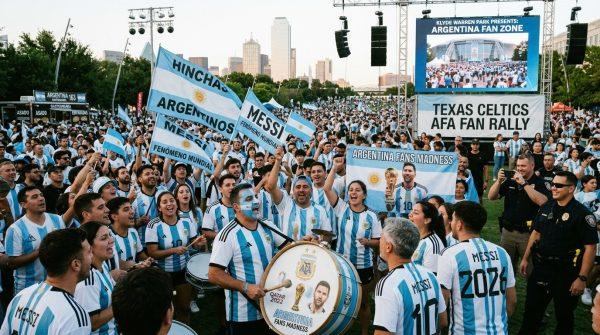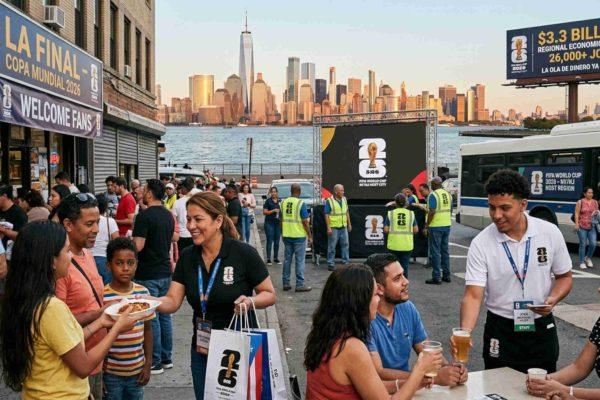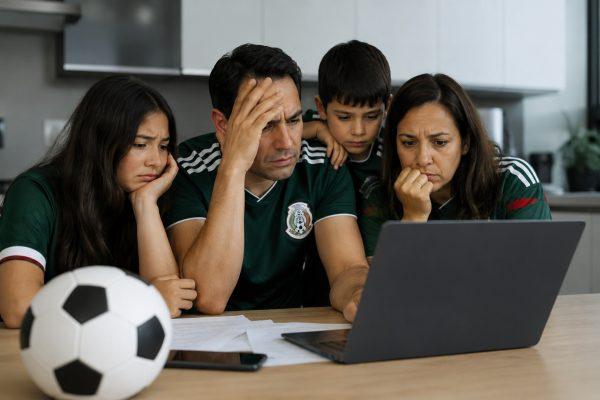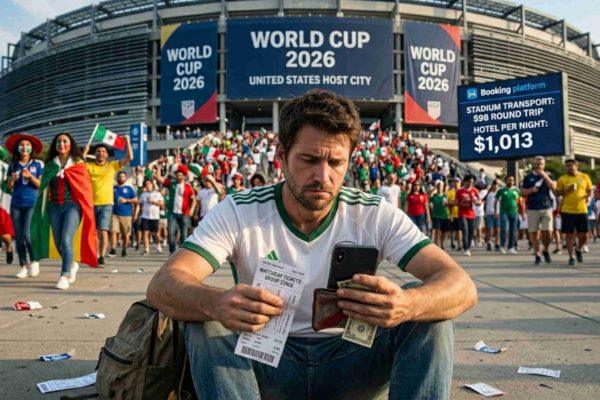
For many Latino families across the Americas, the 2026 FIFA World Cup in the United States is shaping up to be a once-in-a-lifetime event. But the dream of watching Lionel Messi or a rising star from México, Argentina, or Brazil on U.S. soil comes with a steep price tag. According to recent data, attending the tournament could cost between $2,000 and $10,000 per person, depending on the host city, the stage of the competition, and how long you stay.
While FIFA initially set official group-stage tickets as low as $60, the reality on the resale market is far different. Tickets are now trading between $300 and $1,800 per match. That means a family of four from Bogotá or Guadalajara could easily spend over $7,000 just on tickets for a few games. And that's before factoring in lodging, transportation, and meals.
Lodging Costs Skyrocket in Host Cities
Hotels near stadiums have seen dramatic price hikes. In Houston, for example, nightly rates have jumped by as much as 457% during match days, from an average of $293 to over $1,000. Kansas City and Dallas are also reporting steep increases. For Latino fans who often travel in groups or with extended family, finding affordable accommodation is a major challenge. Experts suggest looking for lodging in cities with more hotel supply, like Dallas or Houston, but even there, prices outside match days are more manageable. Houston's World Cup spending has already sparked debate among residents and activists, highlighting the tension between economic opportunity and community impact.
Transportation adds another layer of expense. In New York, a train ride to MetLife Stadium for a match can cost $98, prompting authorities to offer cheaper bus alternatives. For those using rideshare apps like Uber, surge pricing can triple fares immediately after a game. In Dallas, the lack of a direct rail connection to AT&T Stadium makes getting to and from the venue a logistical puzzle. Extreme heat also threatens players and fans at several stadiums, adding to the need for careful planning.
Daily expenses like food, drinks, and souvenirs can range from $80 to over $200 per person, especially in expensive cities like New York. For fans planning to follow their team through multiple stages of the tournament, the total budget can easily climb to $5,000 to $10,000 per person. That's a significant sum for many Latino households, where family budgets are often stretched thin.
Despite these challenges, the 2026 World Cup represents a historic moment for Latino communities in the U.S. and abroad. It's the first time the tournament will be hosted across three countries—the United States, Canada, and México—and it offers a chance to celebrate fútbol in a way that resonates deeply with Latino identity. But as the costs mount, early and realistic planning is the only way to ensure the experience doesn't lead to financial strain. Thousands in aid for Latino families are available through US programs, which could help offset some expenses for those who qualify.
For now, the message from logistics experts is clear: don't wait. Book flights and hotels as early as possible, consider staying in suburbs or smaller cities near host venues, and set a strict daily budget. The World Cup is a celebration, but for Latino fans, it's also a financial commitment that requires careful thought.