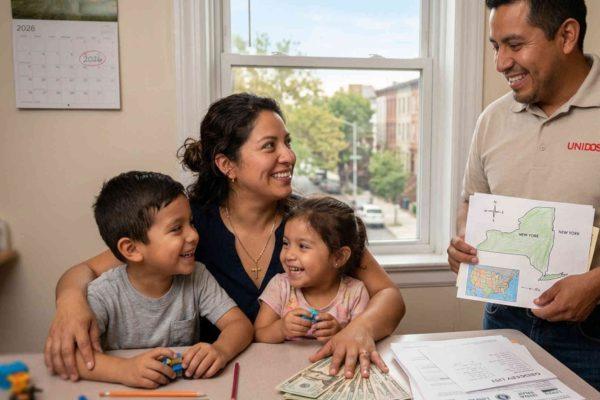
For many Latino families across the United States, the rising cost of living feels like a constant weight. But what if thousands of dollars in assistance were already available—just waiting to be claimed? Federal and state programs like SNAP, LIHEAP, and tax credits such as the Empire State Child Credit in New York are designed to help, yet a significant portion of eligible households never apply. The barrier isn't funding; it's information.
Food and Energy: The Basics That Matter Most
The Supplemental Nutrition Assistance Program (SNAP) remains the largest nutritional safety net in the country. For a family of four, benefits can reach up to $994 per month for groceries, and this support is guaranteed through September 30, 2026. That's nearly $12,000 a year to put food on the table—money that many Latino households leave unclaimed because they assume they don't qualify or don't know how to apply.
Energy assistance is equally critical. The Low Income Home Energy Assistance Program (LIHEAP) provides between $200 and $1,000 to help cover electricity and gas bills. In states like New York, the Home Energy Assistance Program (HEAP) can offer up to $996 per household. Given that Latino communities often face higher energy insecurity than other demographic groups, this aid can make a real difference in keeping the lights on and the home warm.
These programs are independent, meaning a family can qualify for both SNAP and LIHEAP simultaneously. The key is to apply through your state's benefits portal or local social services office—a process that typically takes between 7 and 30 days.
Tax Credits and Housing: Building Long-Term Wealth
Beyond immediate needs, state-level tax credits offer a path to greater financial stability. New York's Empire State Child Credit, expanded in 2025, grants up to $1,000 per child under 4 years old. Crucially, it accepts Individual Taxpayer Identification Numbers (ITINs), allowing immigrant parents with US-born children to maximize their tax refunds. Combined with the state Earned Income Tax Credit (EITC), this can mean thousands of dollars back in a family's pocket each year.
Housing is another area where targeted programs are making headway. The HOME initiative, led by UnidosUS with support from Wells Fargo, aims to create 4 million new Latino homeowners by 2030. It offers free guidance, credit workshops, and down payment assistance in cities with high Latino populations. For families considering whether to rent or buy, this kind of support can be transformative—especially in markets where affordability is a growing challenge. (Related: Rent or Buy? These 10 US Cities Have the Toughest Choices for Latino Families in 2026.)
Similarly, innovative housing models like Hope Village in Grand Rapids, Michigan, offer tiny homes as a path to homeownership for low-income families. (Read more: Hope Village in Grand Rapids Offers Tiny Homes as a Path to Homeownership for Low-Income Families.) These efforts reflect a broader push to close the wealth gap for Latino communities across the US.
Common Questions About Aid for Latino Families
Can undocumented immigrants access these programs? SNAP and LIHEAP generally require eligible immigration status, but US-born children can qualify for SNAP. Tax credits like the Empire State Child Credit do accept ITINs, making them accessible to many immigrant families.
What if my income is slightly above the limits? Some states have expanded thresholds. In New York, for example, a family of four can qualify for certain programs with an annual income up to $80,165. Experts recommend applying anyway—you might be surprised.
How do I apply for SNAP in 2026? Visit your state's benefits portal or local social services office. The process typically takes 7 to 30 days.
For Latino families navigating financial pressures, these programs represent more than just temporary relief—they are tools for building a more secure future. The money is there. The next step is claiming it.