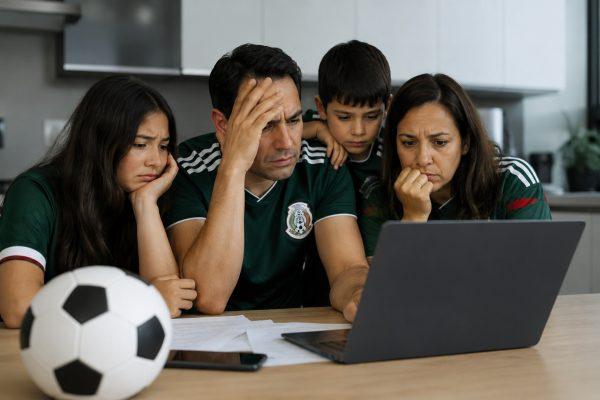
The 2026 World Cup took an unexpected turn for host nations when both the United States and Mexico were knocked out in the round of 16. The back-to-back defeats sent shockwaves through the secondary ticket market, with prices for quarterfinal matches plummeting by as much as 65% within 48 hours, according to data from TickPick.
Before the eliminations, corporate forecasts had priced high-demand fixtures under the assumption that host countries would advance. That assumption collapsed after Mexico fell to England and the US exited, leaving Canada—already eliminated earlier—as the third host without representation in the later stages. The result: a massive structural adjustment in the financial architecture of the secondary ticketing marketplace.
Regional Pricing Trends: Los Angeles and Miami
The most dramatic correction came in Los Angeles, where the quarterfinal between Spain and Belgium saw entry-level tickets drop from $3,200 to just $1,100. In Miami, the match scheduled for Saturday experienced a 45% price correction after Mexico's defeat, with baseline inventory falling from an average of $4,000 to a stable $2,000 threshold. These shifts reflect the sudden evaporation of localized consumer demand from fans hoping to see their national teams compete.
For Latino fans across the diaspora, the absence of Mexico—a team with deep cultural ties and massive fan bases in cities like Los Angeles, Chicago, and Houston—has been particularly felt. Many had planned trips around the tournament, and the price drops now offer a bittersweet opportunity to attend matches at a fraction of the original cost. As we've seen in other markets, ticket prices in Kansas City also fell after Portugal and Colombia were eliminated, showing a pattern across host cities.
Commercial Impact: Revenue Contractions in Hospitality
The sporting reality of three host nations exiting early has forced immediate downward revisions for major hospitality syndicates. Tom's Watch Bar, a network of 18 locations, now expects a 50% decline in projected game-day sales for the remaining calendar. Executive management noted that the Mexican demographic represented their highest-yielding consumer base in terms of per capita spend and operational dwell time. Without that core audience, bars and restaurants in host cities are bracing for quieter match days.
Meanwhile, the luxury real estate market in California has been reshaped by celebrity homes and tax policies, but the World Cup's impact on local economies remains a talking point. How celebrity homes are reshaping California's luxury real estate market is a separate trend, but the tournament's absence of host teams could accelerate wealth migration patterns, as some fans reconsider their spending.
Industrial Performance: Beverage Sector Growth
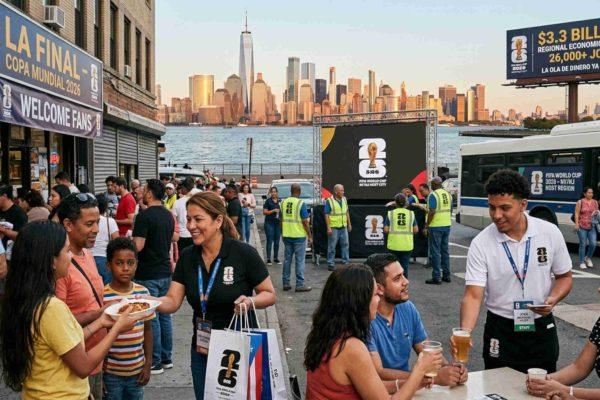
Despite the domestic team departures, the industrial beverage sector continues to post strong growth. The Beer Institute reports a 6.4% increase in commercial beer sales across bars and restaurants over the past month, with a more pronounced 14% spike localized within official host cities. Massachusetts recorded the highest centralized growth index at 23%, driven by high-volume consumption from international visitors in Boston, followed by the New York metropolitan area at 19% and California at 14%. These numbers confirm sustained consumer activation heading into the finals, even as local fan enthusiasm wanes.
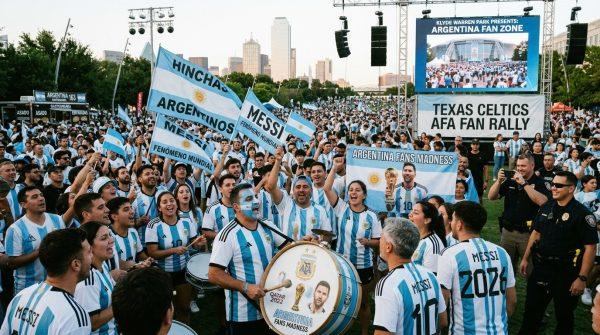
For Latino fans, the tournament still offers plenty to watch—Colombia, Argentina, and other Latin American teams remain in contention. But the absence of Mexico and the US has reshaped the experience, making tickets more accessible for those who can travel. As one analyst noted, the secondary market is now a buyer's paradise, but it comes at the cost of seeing host nations bow out early. For those still planning to attend, tips on eating well without breaking the bank can help stretch budgets further.
The broader lesson? The World Cup's financial ecosystem is deeply tied to national pride. When host nations fall, the market adjusts—sometimes dramatically. For now, fans in Los Angeles and Miami can snag quarterfinal seats at prices that seemed impossible just a week ago, a silver lining in an otherwise disappointing tournament for the Americas.