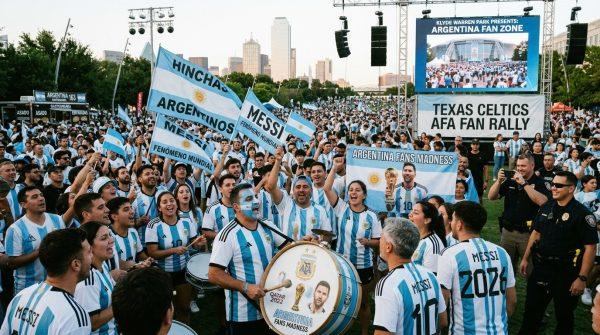
For millions of Latinos living in the United States, the simple act of calling the world's most popular sport by its traditional name—football—is far more than a matter of vocabulary. It is a quiet but powerful declaration of identity, a way of saying, I belong to a global community that knows this game by its true name.
This linguistic divide, which often sparks heated debates in homes, bars, and stadiums across the country, is not about stubbornness. It is about roots. For someone from Buenos Aires, Bogotá, or México City, the word soccer sounds like an invention, a term that erases the sport's authentic heritage. In contrast, fútbol (or football in English) carries the weight of history, passion, and a shared human experience that connects millions across borders.
A Linguistic Shield Against Assimilation
Researchers at institutions like the University of Michigan have noted that this preference functions as a vital anchor for collective pride. For the Latino community in the US, using football is a form of cultural preservation—a shield against total assimilation in a country that often mislabels the game. While US sports media insists on the term soccer to avoid confusion with the NFL, the community maintains its stance, ensuring that the roots of the game remain visible in every match, broadcast, and conversation.
The irony is that the term soccer itself is not American. It originated in the elite universities of England during the 1880s, where students shortened association football to soccer by adding the suffix -er. This slang crossed the Atlantic and was widely used in the United Kingdom throughout the 20th century. But over time, it became a taboo subject in British media, often dismissed as an American invention. Today, the rest of the world calls it football, and Latinos in the US are part of that global majority.
By continuing to use the traditional name, the community reinforces its position within that majority. It is a conscious effort to validate a long-standing history that predates the contemporary explosion of the sport in the US. Every time a Latino fan says football, they are not just naming a game—they are affirming a connection to a worldwide tradition, ensuring that the sport maintains its status as a multifaceted reality rather than a secondary activity.
Cultural Identity and Latino Sport Pride
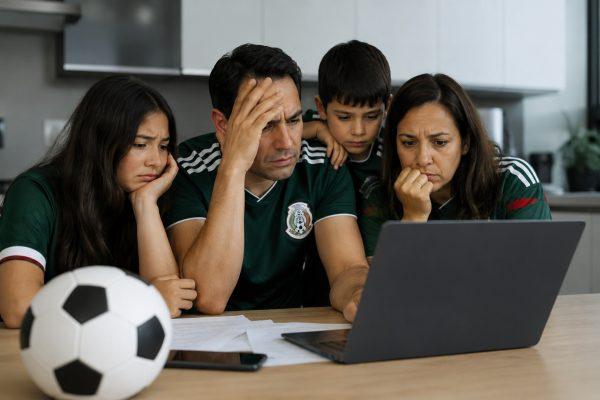
Language acts as a foundational element of daily interaction that links fans to their countries of origin. For a Mexican-American family in Los Angeles or a Colombian-American community in Miami, the term football is a bridge to a shared human experience. It is a quiet yet powerful act of defiance against the pressures of linguistic conformity.
This steadfastness demonstrates that words carry immense weight. They encapsulate decades of history and ideological defense against the erasure of regional customs. As Stefan Szymanski, an emeritus professor at the University of Michigan, emphasizes, the debate often feels strange to those familiar with the history of the sport, but it remains a crucial topic for understanding social dynamics. The Canadian Soccer Association and the U.S. Soccer Federation carry names that reflect local institutional reality, but these titles do not define the underlying spirit of the people who fill stadiums and propel the sport's growth.
The paradigm shift observed across the country suggests that the future of this entertainment ecosystem depends on the capacity of executives to value the richness of this global legacy. By promoting these voices, the industry pays a necessary tribute to history while building a fairer environment where success depends on universal appeal. This is why football is Latino—not just as a sport, but as a symbol of cultural resistance and pride.
For those interested in how Latino communities are shaping other aspects of life in the US, check out our guide on Free Land in Curtis, Nebraska: A Guide for Latinos Seeking a Fresh Start and the Fastest-Growing US Industries for Latinos: Healthcare, Construction, Tech. And for a deeper look at the sport's cultural roots, read about The Cultural and Institutional Roots of Argentina's Football Dominance.