The 2026 World Cup is proving to be more than a sporting event—it's a cultural engine reshaping how fans across the Americas consume music. New data from Spotify shows that Latin rhythms are not just background noise during matches; they're becoming the soundtrack of the tournament itself, especially in the United States, where three host cities—New York, Los Angeles, and Houston—each generated over 100 million streams during the group stage alone.
Brazilian genres are leading this charge. According to platform records, Sertanejo streams jumped 27%, Pagode rose 23%, and Funk Carioca climbed 18% across the U.S. during the group phase. This isn't a fleeting trend—it reflects a deeper shift in how fans curate their match-day experience. Instead of sticking to traditional sports anthems, listeners are weaving in current hits from artists like Ronaldinho Gaúcho, whose streams soared 368%, Henrique Casttro (up 213%), and Munhoz & Mariano (up 111%). Emerging names such as Leo Balbinotti (+86%), DJ EXE (+60%), and Naiara Azevedo (+56%) are also reaching audiences far beyond their usual markets.
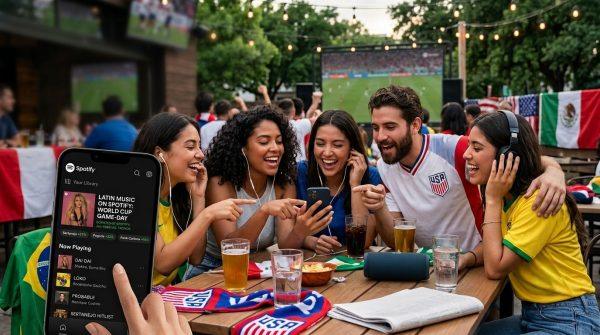
This phenomenon mirrors the broader trend we've seen in how Latin genres break through globally, but the World Cup accelerates it. The tournament's official playlists maintained over 800,000 daily streams even after the opening weekend, and fans are meticulously planning social gatherings where music defines the atmosphere of every match. The algorithm, in turn, connects the tempo of the game with personalized recommendations, keeping viewers engaged throughout the entire tournament.
Global Hits and Regional Roots
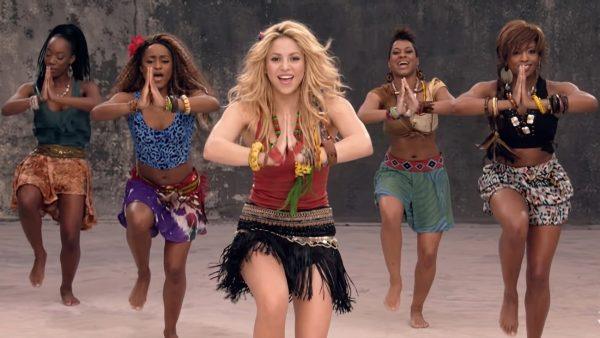
The track that defined the group stage is Dai Dai, a collaboration between Shakira and Burna Boy, which surpassed 67 million streams worldwide. Shakira's record-breaking presence on Spotify—she recently hit 93 million monthly listeners—cements her role as a bridge between Latin pop and global audiences. Meanwhile, heavyweights like KAROL G, Peso Pluma, Fuerza Regida, and Grupo Frontera maintained steady positions among the most-played tracks, proving that fans are blending current hits with traditional soccer culture.
Regional Mexican music showed remarkable stability, underscoring that rhythmic diversity fuels streaming success during the World Cup. This isn't surprising given how Latin artists have consistently claimed space in global pop culture. The data also reveals that match-day consumption strategies bypass static catalogs, favoring curation where music streaming trends thrive alongside the passion of the crowd. Music functions as a vehicle for cultural identity, uniting millions through a shared soundtrack segmented by territorial preferences and genre.
The geographic impact is clear: New York, Los Angeles, and Houston are hotbeds of streaming activity, but the behavior extends beyond these cities. The platform's infrastructure segments listener demand, providing precise data on user behavior per city. This allows brands and artists to interpret real-time metrics about target audiences, optimizing content reach in ways that were unimaginable a decade ago.
As the Round of 32 concludes, the tournament is functioning as a laboratory for how popular culture powers growth for any genre in the digital environment. The integration of digital tools into events of global magnitude opens a clear path for innovation in entertainment marketing. This strategic alignment between sports and digital reproduction ensures that audio curation matches the importance of the event broadcast itself, creating an immersive experience for the end user.
The future of Latin music on platforms like Spotify looks bright. The consolidation of this model ensures that the music industry adapts continuously to consumer demands, as listeners require immediacy and constant relevance in their consumption. For fans, the World Cup is no longer just about goals—it's about the beats that accompany them. And as this data shows, Latin music is leading the charge.