Every few months, the same accusations resurface online. An artist uses fire, horns, inverted crosses, fake blood, shadows, masks or dark choreography, and suddenly social media is flooded with the same claim: “That was satanic.”
But there is a big difference between using dark imagery to provoke audiences, promote an album or create theatrical performances and actually proving that a real ritual took place. In nearly every major case, what exists is performance art, marketing, stage production and an interpretation largely driven by conservative audiences who see occult symbolism where others see entertainment.
The Pattern Behind the Panic
The pattern rarely changes. An artist uses religious imagery, flames, fake blood, horns, demons or gothic symbolism. Conservative audiences interpret those visuals as spiritual evidence. Social media amplifies the claims. Algorithms reward the controversy. But when the facts are examined, the accusations almost always lead back to something much more familiar: theatrical performance, marketing, artistic rebellion, political commentary, queer expression or shock value.
Sam Smith and Kim Petras
Sam Smith and Kim Petras became the center of a new wave of “satanic” accusations after performing “Unholy” at the 2023 Grammy Awards. The performance featured red lighting, flames, horned costumes and dancers in a theatrical setting designed to resemble an infernal cabaret. For many conservative commentators, that alone became proof of something darker. Politicians including Ted Cruz criticized the performance, while outlets such as Forbes and Newsweek documented the political and religious backlash. Yet no evidence of any ritual has ever emerged. It was a stage production built around a song literally titled “Unholy,” using theatrical imagery to reinforce its message.
Lil Nas X
Lil Nas X didn’t simply become the target of satanic accusations. He intentionally challenged cultural expectations. In the music video for “MONTERO (Call Me By Your Name),” he descends into Hell, dances with the devil and ultimately defeats him. Conservative audiences immediately labeled the video satanic. Historians and cultural experts interviewed by TIME argued the symbolism instead represented a queer reinterpretation of religious guilt, shame and personal freedom. The controversy intensified with the release of the viral “Satan Shoes,” custom sneakers created by MSCHF that claimed to contain a drop of human blood. Nike eventually sued over trademark issues, turning the conversation into one about marketing and intellectual property rather than religion.
Lady Gaga
Lady Gaga has spent more than a decade at the center of Illuminati and satanic conspiracy theories. One of the most cited examples remains “Alejandro,” where she appears surrounded by religious imagery, military symbolism and provocative Catholic references, including scenes featuring a nun’s habit and crosses. Religious organizations such as the Catholic League condemned the video, while media outlets including The Guardian covered the controversy. But once again, there has never been evidence of an actual ritual. Gaga used religion, sexuality and authority as artistic symbols designed to provoke discussion.
Beyoncé
For years, Beyoncé has been accused online of belonging to the Illuminati or hiding occult messages in her performances. Much of those theories revolve around hand signs, stage designs and choreography that conspiracy communities interpret as secret symbolism. Her most controversial work, however, wasn’t satanic at all. “Formation” drew criticism because of its political imagery surrounding race, policing and Black identity in America. Some conservative voices attempted to connect those visuals to broader conspiracy theories, but no credible evidence has ever supported claims of satanic practices.
Travis Scott
Travis Scott’s case became especially controversial because it followed a real tragedy. After the deadly Astroworld Festival crowd crush in 2021, TikTok, YouTube and social media quickly filled with claims that the event had been a “satanic sacrifice.” Investigations into the disaster instead focused on crowd management, event planning and safety failures. Journalists and conspiracy experts noted that Scott’s dark stage visuals helped fuel online speculation, but no investigation has ever produced evidence supporting ritualistic claims.
Playboi Carti
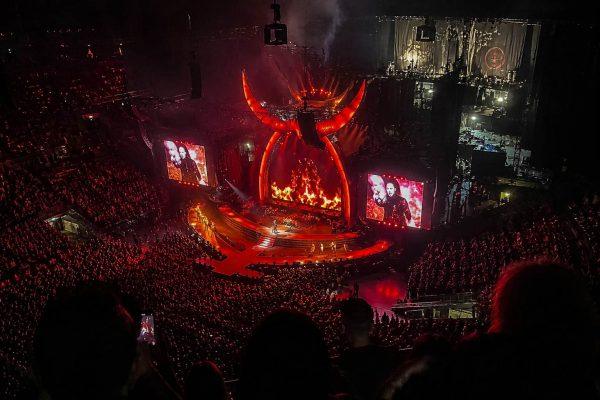
Playboi Carti has built much of his current image around red lighting, gothic fashion, vampire aesthetics, screaming crowds and upside-down crosses. Those visuals have repeatedly led conservative fans to describe his concerts as “demonic,” particularly after performances at Rolling Loud and other festivals. Music journalists generally describe the imagery as part of Carti’s horror-inspired artistic identity rather than evidence of any religious practice.
Zac Brown Band
Even country music hasn’t escaped the controversy. During the Zac Brown Band’s Las Vegas Sphere residency, some fans criticized visuals featuring skeletons, monsters and devil-like imagery, accusing the band of promoting satanic symbolism. Country music publications argued the show borrowed far more from classic rock and psychedelic visuals than from religion. Ironically, even representatives of the Church of Satan publicly rejected claims that the performance resembled an actual satanic ceremony.
Black Sabbath
Long before TikTok or YouTube conspiracies existed, Black Sabbath had already become synonymous with satanic rumors. The legendary heavy metal band embraced dark lyrics, occult-inspired album covers and horror imagery that shocked audiences throughout the 1970s. Tony Iommi has repeatedly explained that while Black Sabbath deliberately leaned into horror aesthetics, the band never practiced satanic rituals. The imagery was simply an effective way to distinguish themselves from every other rock band of the era.
For Latino audiences, this pattern resonates with how LGBTQ+ Latin artists have often faced similar moral panics over their performances. The same dynamic plays out across the Americas, where conservative critics conflate artistic expression with spiritual transgression. As World Cup rituals show, superstition and symbolism are deeply woven into our cultures—but that doesn't make every theatrical gesture a ritual.