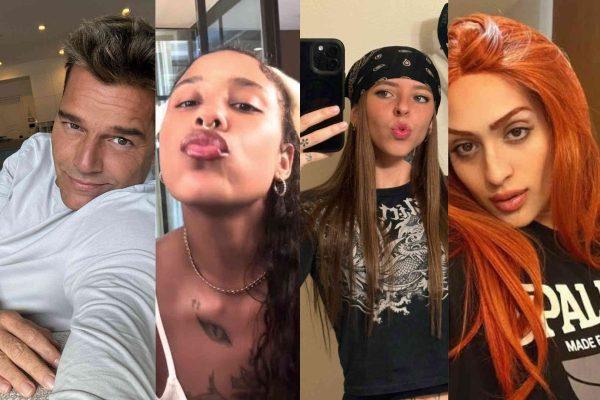
Latin music has entered a new chapter where LGBTQ+ artists no longer feel the need to hide who they are. From the reggaetón clubs of San Juan to the pop stages of Buenos Aires, a wave of musicians is redefining success on their own terms—proud, loud, and unapologetically authentic.
It wasn't always this way. Two decades ago, the industry operated under a different set of rules. Artists like Ricky Martin, who became a global phenomenon in the late 1990s, were advised to keep their private lives locked away. The fear was real: coming out could end a career. When Martin finally shared his truth in 2010, calling his homosexuality a gift, it marked a turning point. That act of courage laid the groundwork for a generation that now feels free to express their sexuality without the same weight of secrecy.
Today's Voices, Breaking Molds
In 2023, Young Miko burst onto the scene from Puerto Rico and quickly became a symbol of LGBTQ+ visibility in urban music. Her lyrics and presence resonate with fans across the Americas, proving that a queer woman can dominate reggaetón and trap without compromising her identity. Alongside her, Villano Antillano—also from Puerto Rico—brings a sharp, critical voice to issues of discrimination and transphobia, offering a perspective rarely heard in mainstream Latin music.
Other artists are pushing boundaries in their own ways. Tokischa, from the Dominican Republic, and Brazil's Anitta use their platforms to champion sexual freedom without filters. They insist their music reflects their intimate experiences and their right to enjoy relationships with total autonomy. Meanwhile, Argentina's María Becerra and Lali Expósito have integrated their bisexuality into their songs, normalizing identities that major labels once ignored. This new wave of role models is not just changing the sound of Latin music—they're reshaping what it means to be a Latin artist.
Diversity extends across genres. Alfonso La Cruz stands out as one of the first reggaetón artists with international recognition to celebrate his homosexuality, composing rhythms designed for the enjoyment of other men. And while Rosalía is not Latin American, her deep mark on our culture and her unwavering allyship show that the movement for LGBTQ+ visibility is a collective force that transcends borders.
These artists are building a safer space where every listener can feel represented, validated, and free to be their true selves. For a deeper look at how Young Miko and others are shaping the charts, check out our coverage of Karol G, Young Miko, and J Balvin Leading Rolling Stone's Mid-2026 Song Rankings.
The legacy of freedom continues to grow. As more Latin LGBTQ+ artists step into the spotlight, they remind us that music is not just entertainment—it's a tool for connection, healing, and revolution. The industry may have once tried to silence them, but today, their voices are louder than ever.