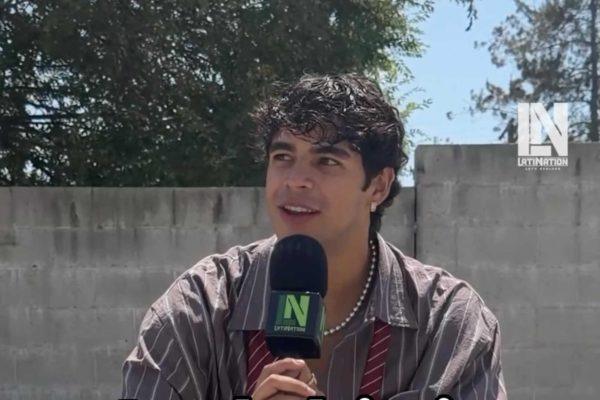
Puerto Rican Spanish moves to its own beat, and few people explain it better than Carolina-born singer-songwriter Robi. In a recent interview, he offered a crash course in the island's most iconic expressions, giving fans and travelers alike a window into the humor, warmth, and emotional depth that define Boricua speech.
Robi kicked things off with a greeting that any Puerto Rican would recognize: “¿Qué es la que hay?” — a casual, all-purpose way to say “What’s up?” that immediately signals you’re talking to someone from the island. From there, he walked through everyday English phrases and their local equivalents, showing how language becomes a marker of identity.
The Slang That Defines an Island
Spanish varies dramatically across Latin America, and Puerto Rico’s version is no exception. Words like “jangueo” (hanging out), “jevita” (a cute girl or girlfriend), and “enchulao” (being deeply in love or infatuated) are instantly recognizable to Boricuas anywhere in the diaspora. These aren’t just slang terms — they carry the island’s personality, its humor, and its way of seeing the world.
For travelers heading to San Juan, Ponce, or the beaches of Rincón, learning a few of these phrases can transform a trip. Locals appreciate the effort, and it opens doors to more genuine interactions. As Robi put it, once you start speaking with a bit of Boricua flavor, “you will find it impossible to return to standard phrases.”
This linguistic pride is part of a broader cultural moment. Puerto Rican artists like Bad Bunny have brought the island’s slang to global audiences, weaving it into chart-topping hits. Robi’s own music, from his viral 2022 collaboration “Pantysito” with Alejo and Feid to his 2026 debut album sorry si soy GRRRIS, reflects that same commitment to authenticity.
Who Is Robi?
Robi grew up in Carolina, a municipality just east of San Juan, and first caught the attention of Latin pop fans with “Pantysito.” That track, a collaboration with Alejo and Feid, became a massive hit and introduced his voice to a global audience. But Robi didn’t stop there. He’s been steadily building a sound that blends Latin pop, R&B, pop rock, and alternative influences — moving beyond the reggaetón and urbano that dominate the mainstream.
His debut album, sorry si soy GRRRIS, released in 2026, is a clear statement of artistic growth. The title plays on the Spanish word “gris” (gray), hinting at the emotional complexity Robi explores across the tracklist. Collaborations with Young Miko on “sorry es que soy bipolarrr,” Ivana on “FA-TAL!,” and Wisin on “Se me hace imposible olvidarte :(” show his range and his willingness to be vulnerable. The album tackles love, self-acceptance, and the messy middle ground that comes with being human.
Beyond the music, Robi acts as a cultural ambassador for his roots. Whether he’s discussing his latest release or breaking down Boricua slang, he emphasizes that language is a core part of the island’s soul. For anyone planning a trip to Puerto Rico — or simply wanting to understand its people better — his lessons are the perfect starting point.
So next time you’re in a “jangueo” with friends or feeling “bien enchulao” about someone special, remember: it’s not just slang. It’s Puerto Rico, speaking in its own rhythm.