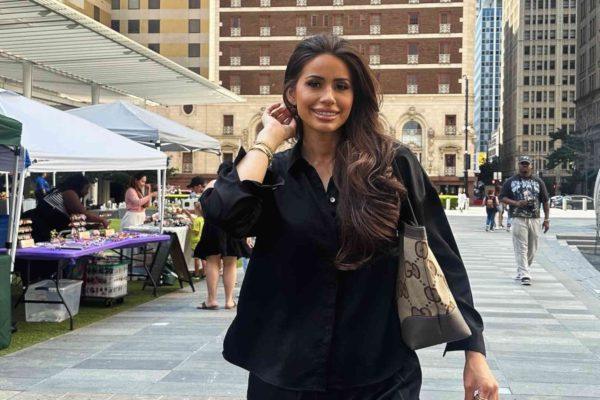
Katie Suarez, a 28-year-old runner from Brooklyn, never met the four people whose lives she would ultimately save. But her decision to register as an organ donor turned a devastating loss into a lifeline for strangers across two states.
Suarez was fatally attacked while running on a popular sports trail in Brooklyn. In the wake of the tragedy, her family honored her wish to donate her organs. According to LiveOnNY, the organ procurement organization that coordinated the effort, her heart, liver, pancreas, and both kidneys were successfully transplanted into four patients ranging in age from 12 to 75. Corneal tissue was also recovered, restoring sight for others.
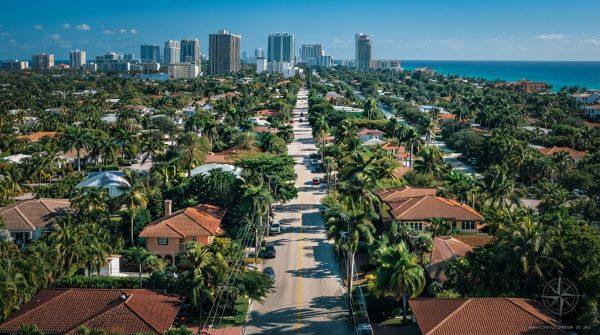
The transplants took place in New York and Florida, with surgical teams working in close coordination to match her organs with recipients on the national waiting list. Leonard Achan, president and CEO of LiveOnNY, emphasized the profound impact of Suarez's choice. "Her foresight creates an enduring impact beyond the circumstances of her death," he said. "Her generosity offers vital second chances while providing her grieving parents with a comforting beacon of purpose amidst an unimaginable loss."
Suarez's story is a reminder of the critical need for organ donors. More than 100,000 men, women, and children in the United States are currently on official waiting lists managed by the Health Resources and Services Administration. A single donor can save up to eight lives and enhance dozens more through tissue and eye donation.
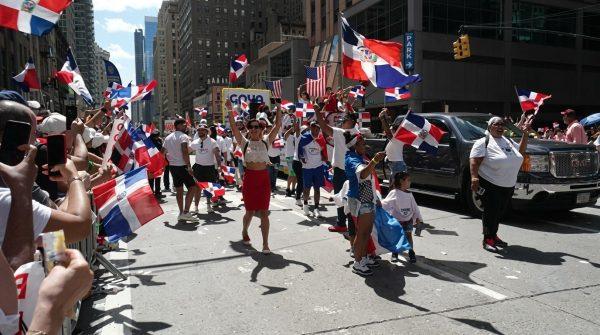
For the Latino community, where conversations about organ donation can sometimes be shaped by cultural or religious beliefs, Suarez's example highlights the power of making one's wishes known. In many Latin American countries, organ donation rates are lower than in the U.S., and myths about the process persist. But as Suarez's story shows, registering as a donor is a personal decision that can have a ripple effect far beyond one's own circle.
LiveOnNY has been working to increase donor registration across diverse communities in the New York area, including Latino neighborhoods in Brooklyn, Queens, and the Bronx. Their outreach includes partnerships with local clinics, community events, and social media campaigns. The organization also collaborates with hospitals to streamline the matching process, ensuring that organs reach patients as quickly as possible.
Suarez's legacy is not just about the lives she saved, but about the conversations she has sparked. Her family has spoken publicly about the comfort they find in knowing that part of her lives on in others. "She was always someone who wanted to help," a family member said. "This was her final act of kindness."
For those inspired by her story, registering as an organ donor is a simple step that can be done through state DMV websites or national registries. As Achan noted, "Every donor can save up to eight lives and enhance dozens more."
In the days since her death, tributes have poured in from the running community and beyond. A memorial run was held in her honor, and a GoFundMe page has raised funds for her family. Her story has also drawn attention to the need for safer public spaces, with some local advocates calling for better lighting and security along the trail where she was attacked.
Suarez's story is a tragic reminder of the fragility of life, but also of the extraordinary capacity for generosity. In her memory, her family has encouraged others to consider organ donation. "She would want this," they said. "She would want to know that her death wasn't the end of her story."
For more on the broader context of running and health, you might recall the Santa Barbara Half Marathon incident where 19 runners were hospitalized, or the Moab 240 ultramarathon desert storm that trapped 70 runners. These events, like Suarez's, underscore the risks and resilience of the running community.
As the transplant recipients recover, they carry with them a piece of Katie Suarez. Her heart beats in someone else's chest, her kidneys filter someone else's blood, and her eyes may one day see the world again. That is a legacy that transcends tragedy.