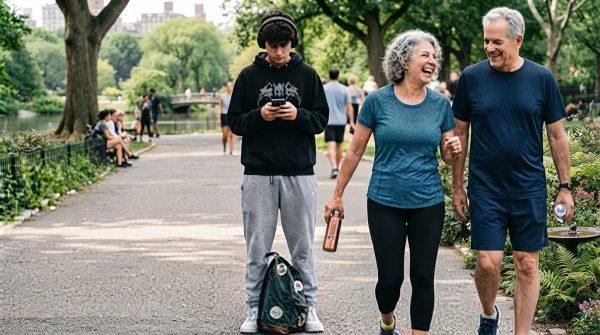
Across the United States, a quiet shift is reshaping the classic image of the friendly next-door neighbor. New national surveys show that only about 40% of Americans now regularly talk with the people who live beside them, a steep drop from nearly 60% in 2012. The change is most pronounced among Gen Z, who are far less likely to knock on a neighbor's door or linger for a chat than their grandparents or even their parents.
For many young people, the neighborhood is no longer the center of social life. Remote work, streaming services, and the convenience of digital communication have replaced the casual encounters that once happened on front porches, at mailboxes, or in driveways. As one community leader in Chicago put it, "We used to know everyone on the block. Now we're lucky if we know their first names."
The numbers behind the disconnect
Data from the Pew Research Center and other national surveys paint a clear picture: Americans speak about 28% fewer words per day than they did in 2007. The decline is especially sharp among younger adults, who are more likely to text or DM than to talk face-to-face. Meanwhile, 56% of older adults still have weekly conversations with neighbors, a habit that seems to be fading with each generation.
This isn't just about being busy. Specialists from the U.S. Department of Health and Human Services warn that social isolation is a serious public health issue, linked to higher stress, anxiety, and even physical health problems. When we stop talking to the people next door, we lose a small but important support network—someone to water the plants, watch the house, or just share a cup of coffee.
Why Gen Z is pulling away
For Gen Z, the reasons are practical as much as cultural. Many grew up in neighborhoods where parents warned against talking to strangers, and they've come of age in a world where online communities often feel more relevant than the ones on their street. Remote work means they don't have the office water cooler, and delivery apps mean they don't even need to go to the grocery store. As one 24-year-old from Austin told us, "I've lived in my apartment for two years and I've never even seen my neighbor. We just wave through the Ring camera."
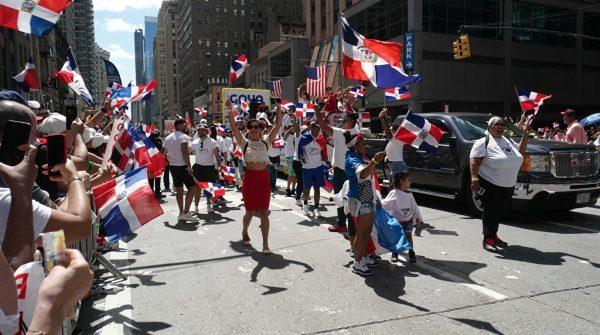
But there's also a deeper shift in how young people define community. For many, community is now built around shared interests—music, gaming, activism—rather than geography. That's not necessarily a bad thing, but it does mean that the traditional neighborhood bond is weakening. As Latino civic groups push for more engagement, they're also noticing that younger Latinos are less likely to participate in local events than their abuelos were.
The generational trust gap
One of the most telling findings is about trust. While 60% of adults over 50 say they feel comfortable leaving a spare key with a neighbor, only 36% of young residents share that trust. This gap reflects a broader unease about safety and privacy in the digital age, where every interaction can be recorded and shared. It's not that Gen Z is antisocial—they're just more cautious about who they let into their lives.
Community organizations are trying to bridge that gap. In cities like Miami, Los Angeles, and New York, local groups are hosting block parties, community gardens, and skill-sharing workshops designed to create low-pressure opportunities for connection. "We're not trying to force people to be best friends," says Maria Fernanda, a community organizer in Bogotá who has consulted with U.S. groups. "We just want to make it easier to say hello."
Some initiatives are also tapping into the digital tools that young people already use. Neighborhood apps like Nextdoor and local Facebook groups are being used to organize in-person meetups, from dog walks to potlucks. The goal is to meet people where they are—online—and then bring them back to the front porch.
A cultural legacy at stake
For many Latino families, the neighborhood has always been an extension of the home. In México, Colombia, and across the diaspora, the vecindad is a place of shared meals, borrowed sugar, and collective childcare. That tradition is still alive in many communities, but it's under pressure. As one grandmother in East Los Angeles told us, "My grandchildren think I'm old-fashioned because I know all my neighbors. But when the earthquake hit, it was my neighbor who helped me out, not my phone."
The decline in neighborly interaction is not inevitable. In fact, some cities are seeing a revival of community life, driven by young people who are actively seeking connection. The key, experts say, is to make it easy and meaningful. That might mean redesigning public spaces to encourage lingering, or creating events that are genuinely appealing to a generation that values authenticity over obligation.
As we look to the future, the question isn't whether Gen Z will ever be as chatty as their grandparents. It's whether we can create new forms of community that honor the old values—trust, reciprocity, and a sense of belonging—while adapting to the way we live now. For Latinos, who have always understood that la familia extends beyond blood, the stakes are especially high. The vecindad may be changing, but it doesn't have to disappear.