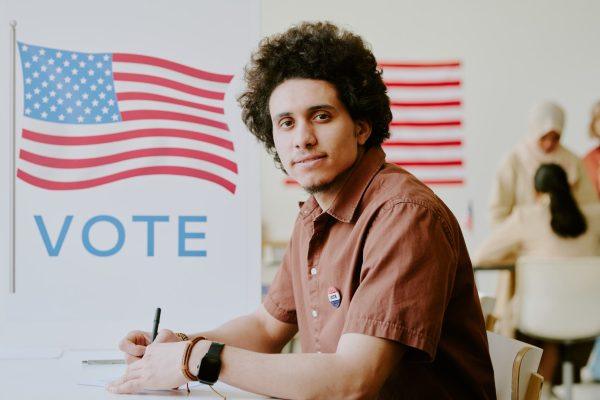
In a move that signals a new chapter for Latino political power, four of the nation's most influential civic organizations have joined forces for the 2026 midterm elections. UnidosUS, the LULAC Institute, Mi Familia en Acción, and the Latino Victory Foundation are pooling their resources and grassroots networks in what they call the largest nonpartisan Latino voter mobilization campaign in recent history.
The coalition's ambition is clear: reach more than five million Latino voters, register 250,000 new electors, and increase overall Latino turnout by five percent across the next two election cycles. To achieve this, they are combining fundraising efforts and deploying a coordinated strategy that spans phone banking, digital outreach, and door-to-door canvassing in communities where every vote could tip the balance of Congress.
Targeting the states that decide control
The groups have identified a set of battleground states where their efforts will be most concentrated: Arizona, Nevada, Pennsylvania, Texas, Florida, Ohio, Colorado, New Mexico, and California. These states host critical House and Senate races, and the coalition is betting that a surge in Latino participation could reshape the political map.
“We’re not just registering voters; we’re building a movement that reflects the priorities of our communities,” said a spokesperson during the announcement at the annual UnidosUS conference in Austin, Texas. “Latino voters are not a monolith, and our approach respects the diversity of our experiences—from the barrios of San Antonio to the farmlands of California’s Central Valley.”
The timing is no accident. With over 36 million eligible Latino voters, this demographic is the second-largest and fastest-growing voting bloc in the country. Recent elections have shown that Latino voters are not firmly anchored to any single party, and both major parties are vying for their support. Economic concerns—such as inflation, housing costs, and job security—are top of mind, alongside anxieties about immigration enforcement and healthcare access.
“Latino voters care about the same things every American cares about: putting food on the table, affording a home, and ensuring their families have quality healthcare,” said a coalition leader. “But they also bring a unique perspective shaped by their heritage and the challenges of navigating two cultures. That’s why our engagement is rooted in listening, not just talking.”
The coalition’s strategy also acknowledges that many Latino voters are politically independent or disengaged from traditional party structures. To reach them, the groups are investing in sustained community dialogue—hosting town halls, partnering with local organizations, and using culturally relevant messaging that resonates across generations.
This effort comes at a time when Latino political influence is growing, but so are the challenges. The Texas rental market crisis and similar housing affordability issues across the country are pushing many families to the brink, making economic security a central theme of the campaign. The coalition hopes that by addressing these concrete concerns, they can turn apathy into action.
“We’ve seen what happens when our community stays home on Election Day—our needs get ignored,” said another organizer. “This coalition is about making sure our voices are heard loud and clear, not just in presidential years, but in every election that shapes our daily lives.”
The groups are also leveraging digital tools and social media to reach younger Latino voters, who are increasingly engaged but often overlooked by traditional campaigns. From Instagram to WhatsApp, the coalition is meeting voters where they are, with content that speaks to their lived experiences—whether it’s the struggle to start a small business or the pride of seeing fútbol unite communities across cultures.
As the 2026 midterms approach, the coalition’s success will depend on its ability to translate enthusiasm into votes. With razor-thin margins expected in many races, the Latino vote could be the deciding factor. And for the first time, four major organizations are working as one to make sure that potential is realized.
“This is not just about one election,” the spokesperson concluded. “It’s about building a permanent infrastructure for Latino civic engagement that will last for generations.”