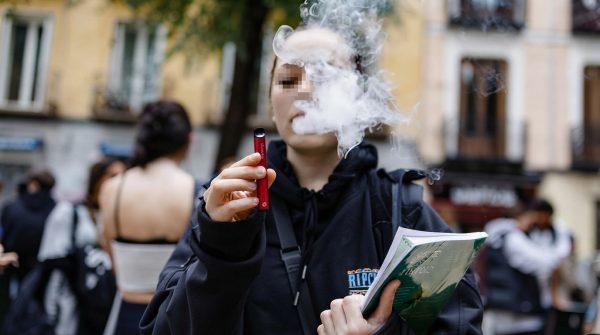
For years, public health campaigns celebrated the steady decline in teenage smoking. But new data presented at the European Respiratory Society congress in Barcelona tells a more complicated story: while fewer teens are lighting up traditional cigarettes, a growing number are turning to vapes and other electronic nicotine devices—often starting younger and becoming dependent faster.
Researchers from Austria, Ireland, and the UK presented findings that track this shift in real time. In Austria, for example, smoking among teens dropped from 24.2% in 2012 to 16.3% in 2014. But in that same period, vaping went from virtually zero to 17.2%. The net result: overall nicotine exposure hasn't fallen—it's just changed form.
A younger start, a faster hook
One of the most striking findings comes from a study led by Charmaine Helk Lim, which looked at when people first try nicotine products. The average age of initiation has dropped from 20 years old for people born in the 1930s to just 15 for those born in the 2000s. That's a five-year shift in a single generation—and it means kids are getting hooked during their most vulnerable years.
In Ireland, the TobaccoFree Research Institute Ireland (TFRI), led by Joan Hanafin, surveyed 5,265 adolescents and found that e-cigarette use among 15- and 16-year-olds jumped from 10.1% to 15.7% in just a few years. Even more telling: the percentage of teens who start vaping without ever having smoked rose from 50.2% in 2015 to 76.2% by 2024. Vaping is no longer a substitute for smoking—it's the primary gateway.
What this means for young lungs
The health consequences are becoming clearer. A study tracking 3,380 people from age 13 to 25 found that by age 25, 38% were current vapers, compared to 25% who smoked traditional cigarettes. That's a generation that's trading one addiction for another, and it's taking a toll on their bodies.
Previous reports from the Royal College of Paediatrics and Child Health in the UK linked teen vaping to persistent coughing, wheezing, bronchitis, and asthma episodes. Newer research adds another layer: young adults who vape show a 15% reduction in physical capacity compared to non-users, along with signs of blood vessel inflammation and rapid fatigue.
These aren't abstract numbers. For Latino families across the Americas and the diaspora, this is about our kids—whether they're in Bogotá, México City, or Los Angeles—growing up in a world where nicotine is marketed in flavors like mango and mint, and where the dangers are often hidden behind sleek designs and social media trends.
Prevention needs to catch up
Public health experts argue that current strategies are too focused on traditional cigarettes. They're calling for comprehensive regulations that cover all nicotine products—vapes, heated tobacco, shisha, and nicotine pouches—without making distinctions that kids can exploit.
“We can't keep treating vaping as a lesser evil,” said one researcher at the congress. “It's a new pathway to addiction, and it's starting earlier than ever.”
Schools and community programs are being urged to step up education about the hidden chemicals in e-cigarettes, and to create environments where nicotine isn't the norm. The message is clear: prevention has to start before the first puff, not after.
For parents and educators, the takeaway is simple: the fight against teen nicotine isn't over—it's just moved to a new battlefield. And this time, it's happening in our own backyards.