New York City's rental market has never been tougher. With average rents running 153% above the national figure, many families—especially in Latino communities across Washington Heights, Corona, and Bushwick—are struggling to keep a roof over their heads. But there's a pathway that often gets overlooked: the NYC affordable housing lottery.
Run by the Department of Housing Preservation and Development (HPD) and the Housing Development Corporation (HDC), this program sets aside a portion of new and renovated apartments for households that meet specific income guidelines. Developers get tax breaks and low-interest loans in exchange for reserving units at below-market rates. The result is a steady stream of rent-stabilized homes in neighborhoods from the Bronx to Staten Island.
How the lottery works
Unlike a single citywide drawing, the lottery operates on a rolling basis. Buildings open their own application windows, and you can apply to as many as you want through the official portal, Housing Connect. Once a window closes, every applicant gets a random number. Property managers review files in that order, so your odds depend on how many people applied and how many units are available.
It's not a quick process. The city reports a median wait of about 4.5 months for a status update, and full processing can take anywhere from 2 to 12 months. In 2025, the average approval took 142 days. Patience is key, but so is preparation.
Who qualifies?
You must be at least 18 years old and your household income must fall within the range set for each building—usually tied to the Area Median Income (AMI). That means a family of four in a unit set at 60% AMI might earn between roughly $50,000 and $80,000 a year, depending on the latest figures. You'll also need to provide proof of income, tax returns, bank statements, and identification.
Housing specialists recommend saving at least two months' rent to cover the security deposit and first month's payment. And don't forget to keep your profile updated—if your income changes, you need to reflect that before applying to new lotteries.
Tips to boost your chances
- Apply to multiple buildings across different boroughs. The more lotteries you enter, the better your odds.
- Set reminders for application deadlines—they can close quickly.
- Double-check your income documentation. A single error can disqualify you.
- Consider units in less popular neighborhoods. Competition is fierce in Manhattan, but the Bronx and parts of Queens often have fewer applicants.
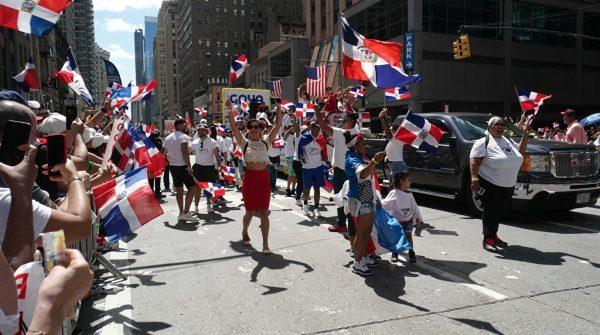
For Latino families, this program can be a lifeline. In neighborhoods like East Harlem and Sunset Park, where gentrification has pushed rents beyond reach, a lottery win can mean staying close to community and culture. As one housing advocate put it, "It's not just an apartment—it's stability."
While the system isn't perfect—millions apply each year and only a fraction win—it remains one of the most effective tools for working families. And with new buildings constantly joining the program, there's always another chance.
If you're ready to start, create your Housing Connect profile today. And if you're curious about how AMI affects your eligibility, check out our explainer on AMI. For a recent example of what's available, see the Bronx lottery with units from $732. The process takes effort, but for many families, it's worth it.