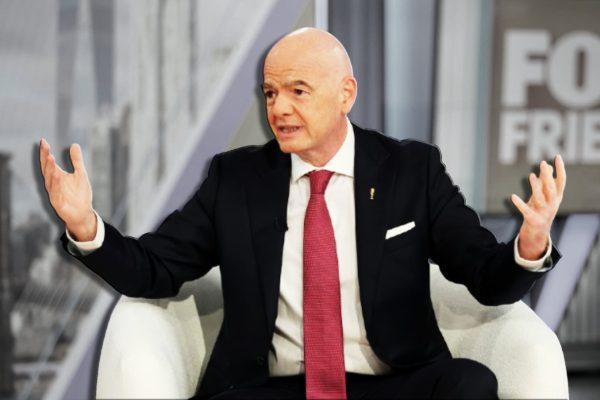
FIFA President Gianni Infantino is facing a growing wave of opposition from major football governing bodies after setting a September 19 deadline for all 211 member associations to approve a controversial private investment framework. The plan, detailed in an official letter to national federations, would create a $20 billion commercial subsidiary, with a 20 percent stake sold to private investors, including Thrive Capital, the firm founded by Joshua Kushner.
Under the proposal, associations that endorse the initiative would receive up to $40 million each—$20 million in immediate lump sum funding through the Fast Forward program and another $20 million for development projects between 2027 and 2030. Rejecting the deal would limit total funding to $2.7 billion under existing expansion programs. Infantino has framed the arrangement as an unprecedented opportunity to elevate national football infrastructure, arguing that private partnerships are essential for future global growth.
UEFA and Concacaf Push Back
The announcement has sparked immediate resistance from key entities, including UEFA, Concacaf, and the English Football Association. UEFA officials convened an emergency meeting with their 55 member nations to craft a unified response, publicly criticizing the ultimatum and asserting that major international tournaments are not assets to be traded to private entities. Industry sources indicate that European leadership is considering various strategic options, including a potential boycott of future international competitions, due to the perceived lack of prior consultation and corporate governance.
Concacaf, which oversees football in North America, Central America, and the Caribbean, has also expressed grave concerns. The English FA released an official statement voicing deep concern over the absence of transparent processes regarding the structural terms of the investment deal. Representatives across several leagues emphasized that governing bodies should prioritize players, clubs, domestic competitions, and supporters rather than pursuing corporate monetization strategies.
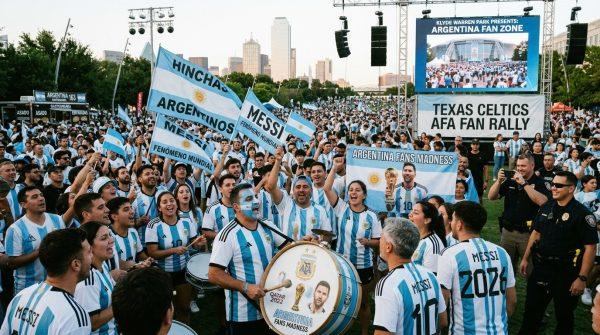
This is not the first time Infantino's financial decisions have sparked debate across Latin America. Earlier this year, his $6 million salary drew criticism from fans and officials in countries like Argentina and Brazil, where football is deeply tied to community identity.
What's at Stake for Latin American Football
For Latin American federations, the stakes are particularly high. Many national associations in the region rely heavily on FIFA development funds to support grassroots programs, infrastructure, and youth academies. The promise of $40 million could be transformative for smaller federations in countries like Bolivia, Paraguay, or Honduras, where football budgets are often tight. However, the lack of consultation and the ultimatum-style deadline have raised alarms about governance and sovereignty.
Some critics argue that accepting private investment could lead to a loss of control over tournament operations, potentially sidelining the interests of local leagues and clubs. Others worry that the deal prioritizes corporate profits over the sport's cultural and social role in communities across Latin America. The region has a long history of fighting for fair representation in global football governance, and many see this as another chapter in that struggle.
As member associations evaluate the full documentation pledged by FIFA ahead of the September deadline, the decision will determine whether international football governance incorporates private equity ownership into its core tournament operations. For now, the opposition from UEFA and Concacaf signals that Infantino's plan is far from a done deal.