When Shakira stepped onto the world stage, she didn't just bring a voice—she brought a movement. Literally. The Colombian superstar from Barranquilla turned belly dance into a visual language that millions recognize in a single hip sway. It wasn't a gimmick. It was heritage, discipline, and personal history moving in rhythm.
Her Lebanese ancestry, passed down through her father's family, met the Caribbean pulse of Colombia's coast in her childhood. That fusion became the core of her artistry. While many pop stars borrowed trends from Paris or Milan, Shakira built her own aesthetic from the ground up—one rooted in the desert and the sea, in the oud and the cumbia drum.
The making of a signature style
To understand Shakira's visual identity, you have to go back to her early days in Barranquilla. She grew up listening to Arabic music at family gatherings while absorbing the rhythms of vallenato and rock. That mix shaped not only her vocal breaks—those distinctive trills and quivers—but also the way she moved. Belly dance wasn't a costume; it was a natural extension of her body.
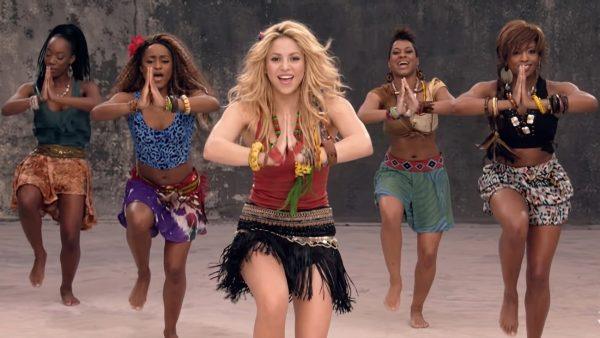
Her early performances demanded clothing that allowed freedom. So she wore crop tops, low-slung belts with coins that jingled with every step, and often performed barefoot, connecting directly with the stage. That look—part modern odalisque, part Caribbean rebel—challenged the polished pop image of the late '90s and early 2000s.
Designers took notice. Over the years, major fashion houses have created custom pieces for her that amplify the belly dance aesthetic: golden fringe, sheer fabrics, and intricate beadwork that catch the light as she moves. But the clothes never overshadow the dance. They serve it.
From stadiums to living rooms
Shakira's belly dance became a global reference point during her biggest performances. Her 2006 World Cup closing ceremony in Germany, where she performed "Hips Don't Lie," was a masterclass in cultural fusion. Millions watched as she moved to a beat that mixed Middle Eastern percussion with Latin brass. It was a moment that felt both ancient and utterly modern.
Years later, her Super Bowl halftime show with Jennifer Lopez in 2020 brought that same energy to American prime time. For many young Latinos watching, it was the first time they saw their own cultural mix reflected on such a massive platform. Shakira didn't just represent Colombia; she represented the entire diaspora that carries multiple worlds inside them.
That legacy continues. In 2026, she's still being recognized as one of the most influential artists in the world, alongside Bad Bunny and Rosalía. Her impact on how Latin artists present themselves—unapologetically rooted in their own traditions—is undeniable.
More than a dance
Belly dance for Shakira is also a form of storytelling. Each hip drop, each ripple of the torso, echoes the movements of her grandmothers and great-grandmothers. It's a tribute to the women who came before her, and a declaration that their culture belongs on the biggest stages in the world.
Her style has influenced everything from music videos to fashion editorials. Young artists across Latin America and the diaspora now incorporate elements of belly dance into their own performances, not as appropriation but as a shared language of empowerment. Shakira opened a door that many have walked through since.
In a world that often pressures artists to fit a mold, Shakira's career is proof that authenticity wins. She didn't need to erase her roots to go global. She made them the point. And in doing so, she turned every stage into a celebration of the beautiful, complicated mix that is Latino identity.