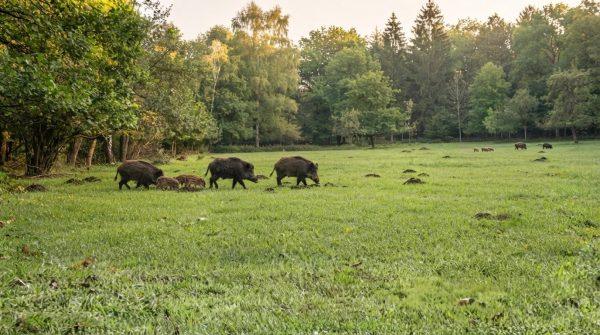
Residents across Montgomery County are waking up to a frustrating sight: freshly laid sod torn apart, gardens uprooted, and deep gouges in their lawns. The culprits aren't mischievous neighbors or stray dogs—they're feral hogs, and they're becoming an increasingly common problem in this fast-growing corner of Texas.
What's particularly alarming for homeowners is that these animals are no longer sticking to the shadows. Sightings of up to five hogs prowling near homes as early as 10:30 a.m. have been reported, a stark departure from their usual nocturnal habits. The disruption is not just an aesthetic nuisance; it's a sign of a deeper ecological shift.
Why Are the Hogs Coming Into Town?
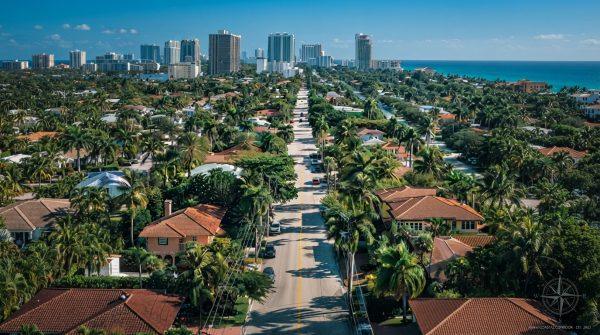
Local wildlife experts point to the rapid urbanization along the I-45 corridor as the primary driver. As forests and natural habitats are cleared for new housing developments, feral hogs lose their traditional territories and food sources. Forced to adapt, they're venturing into the very neighborhoods that replaced their homes, searching for food, water, and shelter.
This displacement is creating a tense coexistence. "We're seeing a fundamental change in animal behavior," says a wildlife management specialist familiar with the region. "The hogs are becoming bolder, and that's a direct result of their habitat shrinking."
The problem is not unique to Montgomery County, but the scale here is notable. Homeowners report damage occurring both day and night, with some lawns completely destroyed within a single night. The financial toll is significant: professional removal services can cost upwards of $3,500 per property, a burden many families are struggling to shoulder.
Health and Safety Concerns
Beyond the torn-up turf, there are serious health risks. Feral hogs can carry diseases like brucellosis and anthrax, which can be transmitted to humans and pets. Their unpredictable behavior, especially when cornered, poses a safety threat to residents and their children.
Community associations are now debating the role of real estate developers in this crisis. Many argue that construction companies should bear some responsibility for displacing the wildlife in the first place. Calls are growing for updated municipal codes that require developers to consider wildlife corridors and buffer zones in their plans.
What Can Homeowners Do?
Experts caution against DIY solutions like electric fences or homemade odor repellents, which offer only temporary relief. Amateur shooting is also discouraged, as it can fragment family groups and cause the hogs to scatter and return in greater numbers.
The most effective approach, according to specialists, is a coordinated community effort. Neighborhood associations are being urged to work with the Texas Wildlife Association and the Texas Parks and Wildlife Department to implement professional trapping programs. These programs capture entire sounders—the social groups of hogs—preventing the animals from quickly repopulating the area.
While the costs are high, pooling resources through community initiatives can make professional intervention more affordable. Some local groups are also exploring cost-sharing agreements with developers, arguing that the companies that disrupted the ecosystem should help mitigate the consequences.
For now, residents are left to navigate a new reality where the wild is literally at their doorstep. The situation underscores the delicate balance between growth and nature, a challenge that many Texas communities are facing as the state continues to expand. As one homeowner put it, "We moved here for the peace and quiet, not for a wildlife safari in our backyard."
For those dealing with similar issues, resources are available through the Texas Parks and Wildlife Department, which offers guidance on humane and effective management strategies. And while the hogs may be here to stay, with the right approach, communities can reclaim their lawns and their peace of mind.