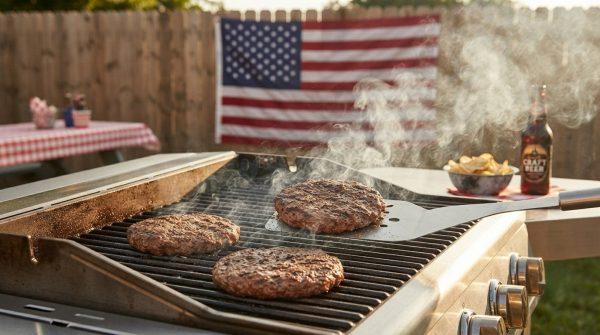
This Independence Day, firing up the grill will cost more than ever. The National Retail Federation reports that the average American will spend $94.41 on July 4 festivities, pushing total national spending to $9.4 billion. For Latino families across the U.S., who often center these gatherings around shared meals and community, the rising costs demand a closer look at the grocery list.
Despite inflationary pressures, 87% of consumers plan to host or attend cookouts, according to the NRF. That resilience mirrors a broader cultural commitment to gathering—whether in Los Ángeles, Houston, or Chicago—where the parrilla becomes a symbol of togetherness. But the numbers are stark: 10 of 12 traditional barbecue items have seen price increases, with some jumping double digits.
Which Foods Are Driving Up the July 4 Barbecue Cost?
The American Farm Bureau Federation (AFBF) tracked the steepest climbs. Pork and beans lead the pack with a 13.8% increase from last year, followed by strawberries at 12.4%, hurt by adverse weather in key growing regions. Hamburger buns rose 7.7%, while ground beef—a staple for any asado—climbed 5.5% to $14.06 for two pounds. Chocolate chip cookies added 6.3% to the tab, reflecting broader processed food inflation.
Other essentials like lemonade and ice cream also saw upticks, driven by supply chain complexities. For families accustomed to stretching budgets, these shifts mean rethinking the menu. Yet, as the AFBF notes, consumers are adapting: they're choosing seasonal products and homemade alternatives to offset costs.
Where to Find Savings on Your Cookout
Not all news is grim. Homemade potato salad costs 17.8% less than last year, offering a budget-friendly side dish. Potato chips have held steady or dropped slightly, making them a smart addition. Eggs, a key ingredient for many Latino recipes like ensalada de papa or pastelitos, have also seen price relief.
The AFBF calculates the cost per guest at $7.38—a figure that, while historically high, aligns with recent inflation trends. For families looking to stretch further, ready-to-heat barbecue platters from local markets can save time and money. As rising costs reshape spending habits across the country, smart shopping becomes essential.
For Latino households, the July 4 barbecue is more than a meal—it's a ritual that blends American tradition with sazón from México, Puerto Rico, El Salvador, and beyond. Whether you're grilling carne asada in San Antonio or preparing pernil in Miami, the key is planning ahead. Compare prices at local supermarkets, buy in bulk, and consider potluck-style gatherings where guests bring a dish.
The commitment to hosting persists, even as the July 4 barbecue cost climbs. As one AFBF economist put it, "The value of these gatherings goes beyond the grocery bill." For Latino families, that rings especially true—where every fiesta is an opportunity to celebrate heritage, community, and the simple joy of sharing food.