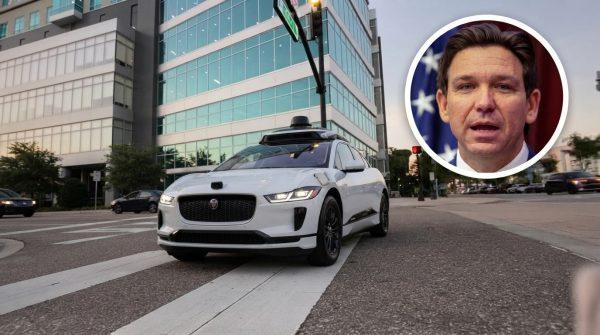
Florida's autonomous vehicle program is pushing deeper into the state, with Tampa now officially on the map. Governor Ron DeSantis confirmed the expansion, which builds on the successful deployments already operating in Miami and Orlando. For residents of Florida's west coast, that means driverless rides are no longer a distant concept but a coming reality.
The move is part of a broader push to modernize urban mobility across the Sunshine State. Beyond self-driving cars, state officials are also exploring electric vertical takeoff and landing aircraft—essentially air taxis—under strict regulatory oversight. It's an ambitious vision that positions Florida as a testing ground for next-generation transport.
Safety first: what's happening before the launch
Before Tampa residents can hail a driverless ride, the state is running an extensive phase of technical testing and road simulations. The Florida Department of Transportation is coordinating with local authorities and emergency services to ensure these vehicles integrate safely into everyday traffic. Engineers are scrutinizing software and hardware, with preliminary evaluations showing no major mechanical failures in the automated units.
Traffic engineers point out that next-generation sensors process millimeter-level mapping data in real time, allowing vehicles to navigate complex urban environments. Tests include heavy traffic simulations during peak hours, and satellite navigation systems have been confirmed with five channels of operational redundancy. Still, operators insist on constant remote supervision to catch any unforeseen anomalies on public roads.
Academic institutions like the University of South Florida are collaborating with government agencies to audit the algorithms behind autonomous driving. This partnership between academia and state regulators adds an extra layer of scrutiny, which is crucial for public trust.
What Tampa residents can expect
Waymo, the company leading the commercial rollout, is evaluating how its vehicles perform under Florida's diverse weather conditions—from sudden thunderstorms to intense heat. The goal is to ensure that the autonomous response is immediate when facing unexpected weather or a pedestrian stepping into the crosswalk.
For commuters, this means a shift in daily travel options. The integration of these smart vehicles into the city's traffic flow is expected to redefine connectivity standards across the metropolitan region. But it's not just about convenience; it's about building a system that Floridians can rely on.
State officials are also emphasizing cybersecurity. Tech developers are working to strengthen protocols across all commercial fleets, and urban mobility organizations remind us that updated road regulations are essential for safe integration. The engineering community keeps the technical file open while evaluating new efficiency metrics on urban corridors.
As the launch date approaches, public administrators urge residents to trust the official evaluations. The new era of autonomous mobility is coming to Tampa, and with it, a reimagined urban horizon. For those who've watched Miami and Orlando embrace driverless rides, Tampa's turn is a natural next step in Florida's smart mobility story.