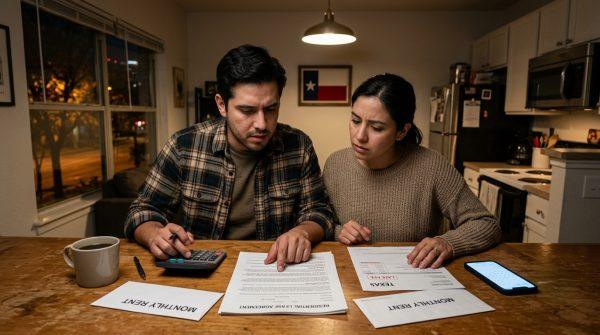
If you're renting in Texas and wondering whether your landlord can slap you with a late fee the day after rent is due, you're not alone. Many tenants, especially in Latino communities across Houston, San Antonio, and Dallas, face confusion over these charges. The short answer: it depends on your lease—but state law provides important protections.
Under the Texas Property Code, landlords cannot impose a late fee unless your lease agreement explicitly allows it. That means if your contract is silent on late fees, you can't be charged one. Even when the lease does authorize penalties, the law requires a grace period of at least two full days after the due date before any fee can be applied. So if your rent is due on the 1st, you have until the 3rd without penalty—no matter what your landlord says.
How Much Can Landlords Charge for Late Rent in Texas?
The state sets clear caps on late fees. For properties with four units or fewer, landlords can charge up to 12% of the monthly rent. For larger complexes, the limit is 10%. These percentages are designed to prevent exploitation, though some landlords may try to justify higher fees by claiming actual damages exceed these thresholds. If you see a charge that seems excessive, you have solid grounds to challenge it—especially if the lease language is vague or confusing.
It's also worth noting that when you make a partial payment, your landlord can legally apply that money to outstanding late fees before covering the base rent. This can create a snowball effect, leaving you with an unintentional balance due that could lead to eviction. Understanding this nuance is key to avoiding common pitfalls that jeopardize housing stability.
Your Rights When Disputing Late Fees
If you believe a late fee is unfair, start by requesting a detailed breakdown of charges. Every dollar should align with your lease terms. You can also negotiate a formal payment plan if you anticipate difficulty meeting deadlines—this shows responsibility and can preserve a positive relationship with your property manager. Document all transactions and communications; this evidence is crucial if a dispute escalates to legal proceedings.
For those navigating the Texas housing market, it's helpful to stay informed about broader trends. For instance, Texas Housing: Why Renting May Be Smarter Than Buying Right Now offers perspective on current market dynamics. Similarly, Texas Housing Market Heats Up: Where Latino Buyers Should Look Now provides guidance for those considering a purchase.
Eviction Risks and How to Avoid Them
Consistently paying late—even if you eventually cover all fees—can signal instability to landlords and increase eviction risk. The best defense is open communication before rent is due. Many property managers prefer collaboration over costly eviction proceedings. If you're facing financial hardship, reach out early to discuss options.
Also be aware that landlords cannot suddenly change payment methods or add new processing fees during an active lease without your written consent. Any modification requires agreement from both parties. For more on protecting your home, resources from the Texas State Law Library and the U.S. Department of Housing and Urban Development are valuable.
For Latino renters in Texas, knowing these rights is essential. Whether you're in a bustling city like Houston—where a recent $30M penthouse sale set a record—or in communities facing economic challenges, understanding late fee laws helps you keep your home and your peace of mind.