A thick plume of Saharan dust has drifted across the Atlantic and settled over southern Texas, just as communities gear up for Hispanic Heritage Week and the colorful celebrations of Fiestas Patrias. The Texas Commission on Environmental Quality reports that the dust began pushing into the region early this week, carrying fine mineral particles that can significantly degrade air quality.
While families in cities like Brownsville, McAllen, Corpus Christi, and Laredo prepare for parades and cultural events, the dust is already making its presence felt. The hazy skies are not just a visual nuisance—they're a health concern for many residents, especially those with asthma or seasonal allergies.
According to local meteorologists, the dust cloud is unusually persistent for this time of year. Typically, these plumes fade by late September as hurricane season ramps up, but this year the pattern has shifted. Chris Suchan, a meteorologist at WOAI in San Antonio, noted on social media: "Bleh…. more Saharan Dust to pay us a visit in South Texas through first half of this week. Allergy symptoms for some will be kicking in. Typically we’re done with this by September as hurricane season ramps up but not this year."
How the dust affects your health
The Saharan dust is composed of tiny mineral particles that can irritate the eyes, nose, and throat. For people with underlying respiratory conditions like asthma or chronic bronchitis, exposure can trigger coughing, wheezing, and shortness of breath. Even healthy individuals may experience sneezing, a runny nose, or a scratchy throat.
In addition to the physical discomfort, the dust can exacerbate existing allergies, making it harder for those affected to enjoy outdoor festivities. The timing is particularly challenging, as many Latino communities are celebrating El Grito and other Fiestas Patrias events across Texas and beyond.
While the dust does not pose a hurricane threat, its presence demands attention. Health experts recommend checking the local air quality index before heading out, keeping windows closed to prevent dust from entering homes, and limiting strenuous outdoor exercise. For those with chronic conditions, it's crucial to keep medications on hand and to follow their action plans.
"The key is prevention," says Dr. María González, an allergist in San Antonio. "If you know you're sensitive to dust, plan your activities for times when the air is cleaner, and don't hesitate to use your inhaler or allergy medication as prescribed."
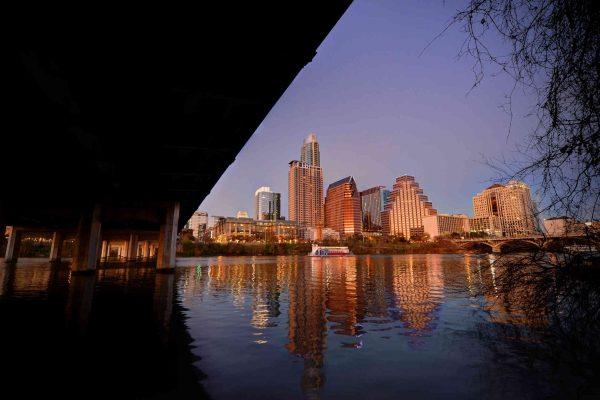
The dust cloud is expected to linger for several days, affecting not only the border region but also major urban centers like Houston, Austin, and Victoria. Residents in these areas should stay informed about air quality updates and take precautions, especially during outdoor gatherings.
For those planning to attend Hispanic Heritage Week events, consider wearing a mask if you're particularly sensitive, and stay hydrated. It's also wise to keep windows closed in your car while driving and to use recirculated air to minimize dust intake.
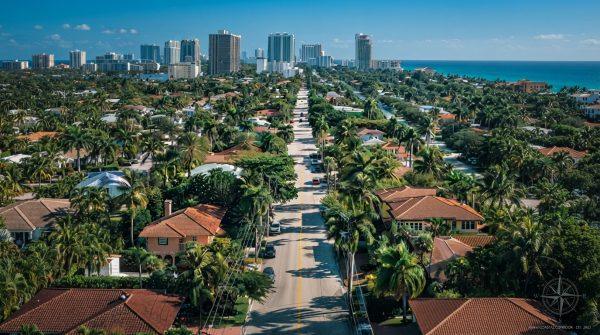
This Saharan dust event is a reminder of how interconnected our world is—what happens in the Sahara can affect our health in Texas. As we celebrate our heritage and community, let's also take care of our respiratory well-being. For more on how dust events are impacting other regions, check out our coverage of the Saharan dust cloud reaching Florida.
Stay safe, stay informed, and enjoy the festivities with your health in mind.