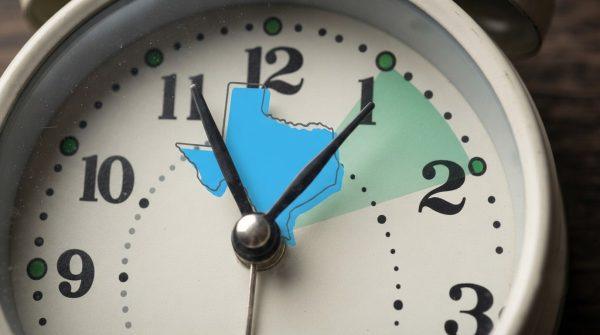
Texans may soon say goodbye to the twice-yearly ritual of changing their clocks. In 2025, Governor Greg Abbott signed House Bill 1393, which would make daylight saving time permanent across the Lone Star State. But the law can't take effect until Congress gives the green light, and that's where things stand now.
Why Texas wants to stop changing clocks
The push to end the seasonal time shift has gained momentum in recent years. Supporters argue that the constant back-and-forth disrupts sleep, complicates work schedules, and feels outdated. Representative Will Metcalf, a key advocate, has said that Texas is ready for a stable, year-round schedule. He noted that the finish line is in sight, but the final decision rests with the U.S. House and Senate.
If approved, Texas would join a growing list of states exploring permanent daylight saving. The idea is to keep evenings brighter for longer, which could boost local businesses, encourage outdoor activities, and improve overall well-being. For many Latino families, that means more time for evening walks, soccer games in the park, or simply enjoying dinner outdoors with neighbors.
What would change for daily routines?
Under permanent daylight saving, the sun would rise later in winter, making mornings darker. That's a concern for parents who send kids to school before dawn. But advocates say the trade-off is worth it: more daylight after work or school, which can reduce stress and increase opportunities for family time.
Economists and public health experts are studying the potential impacts. Some studies suggest that permanent daylight saving could reduce energy consumption and even lower crime rates. Others warn that dark winter mornings could pose safety risks for commuters and students. Federal lawmakers are weighing these arguments carefully.
The federal hurdle
Under the Uniform Time Act of 1966, states can't adopt permanent daylight saving without congressional approval. The U.S. Department of Transportation oversees time zones and has historically been cautious about changes. Several territories, including Puerto Rico and the U.S. Virgin Islands, already skip the time change, as do Arizona and Hawaii.
In Washington, the Sunshine Protection Act has been introduced in previous sessions, and President Donald Trump has voiced support for ending the clock changes. That alignment could speed up the legislative process, but nothing is guaranteed. Texans will keep adjusting their clocks until Congress acts.
What's next for Texas time?
For now, the traditional schedule remains in effect. The next clock change is set for November 2026, unless Congress intervenes. Residents are watching Capitol Hill closely, hoping for a decision that would end the biannual disruption.
For Latino communities across Texas, the change could mean more evening hours for family gatherings, cultural events, and small business operations. It's a small shift with potentially big effects on daily life.
As the debate continues, Texans are reminded that their state's future time is tied to federal action. Until then, it's business as usual—just don't forget to set your clocks back this fall.