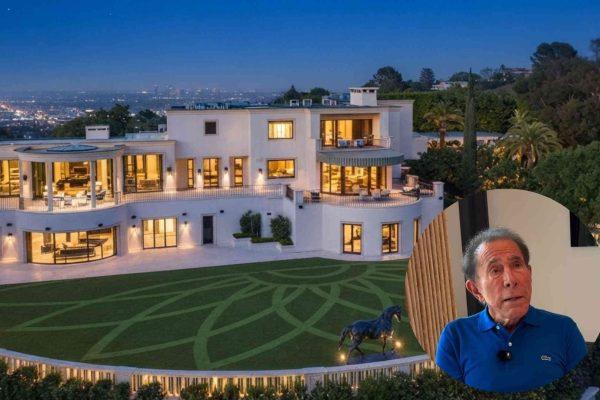
Steve Wynn, the casino tycoon known for reshaping Las Vegas, has finally closed the sale of his Beverly Hills estate, Villa Lulu. The property, tucked into the hills of Benedict Canyon, traded for $47.75 million—a figure that underscores just how much the luxury market in California has shifted. The original asking price back in 2020 was a staggering $135 million.
The sale ends a long and public saga for Wynn, who poured millions into expanding and upgrading the mansion. But the final price tag represents a significant financial hit, especially when factoring in the cost of renovations. Real estate insiders say the outcome is a clear sign of the times: California's steep tax policies are pushing many of the ultra-wealthy to relocate, shrinking the pool of buyers willing to pay top dollar for mega-estates.
A mansion built for excess
Villa Lulu is not your average celebrity home. With over 27,000 square feet of living space, it includes 11 bedrooms, 14.5 bathrooms, multiple kitchens, a grand office, and a separate guest apartment. Wynn expanded the property by 8,000 square feet during his ownership, adding amenities that go far beyond the typical luxury home.
Among the standout features are a private theater that seats 40, a wellness center with hyperbaric chambers and hot and cold plunge pools, a wine cellar designed to hold 700 bottles, and a spa with dual massage tables. There's also dedicated quarters for security and service staff—a nod to the privacy and scale that billionaires expect.
The sale price, while eye-popping to most, was a bitter pill for Wynn. The broker handling the deal pointed to California's economic climate as a key factor. High property taxes, a new wealth tax proposal, and the overall cost of living have made the Golden State less attractive to the super-rich. Many are choosing to plant their flags in states like Florida and Texas, where tax burdens are lighter.
This migration has had a ripple effect on the luxury real estate market. As more high-end properties sit on the market, sellers are forced to lower their expectations. The Florida Gulf Coast has seen a boom in luxury sales as a result, drawing buyers who might have once looked at California first.
For Wynn, the sale closes a chapter that began with high hopes. He bought the property in 2018 and immediately set about making it his own. The renovation was extensive, but the market didn't reward his investment. The final sale price, while still in the tens of millions, was a fraction of what he originally sought.
Real estate experts say the Beverly Hills market is adjusting to a new reality. The days of bidding wars and sky-high asking prices may be on hold, at least for now. Sellers are having to be more realistic, and buyers are more selective. The fortunes of Latino stars in California and Texas reflect this broader trend, with some making savvy moves and others feeling the pinch.
Wynn's loss is a cautionary tale for anyone thinking the luxury market is immune to broader economic forces. Even the most opulent properties can lose value when the tax climate and buyer demographics shift. As California continues to debate its fiscal policies, the impact on its most exclusive neighborhoods will be watched closely.
For now, Villa Lulu has a new owner, and Wynn can move on. But the sale leaves a lingering question: is this the new normal for California's luxury real estate? Only time will tell, but the signs point to a market that's cooling off, even for the wealthiest among us.