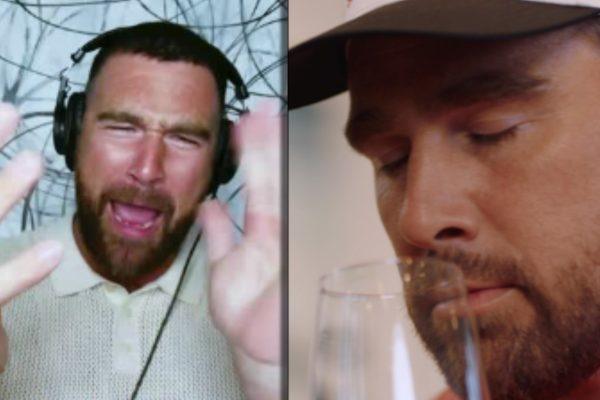
Kansas City Chiefs tight end Travis Kelce has been officially named as a victim in a massive investment fraud that bilked dozens of clients out of $35 million. The revelation came during a federal sentencing hearing in St. Louis, where Texas financier Siddharth Jawahar, founder of Swiftarc Capital LLC, received an 11-year prison sentence for running a Ponzi scheme that stretched from 2016 to 2023.
Jawahar, 38, pleaded guilty in January 2026 to three counts of wire fraud. Court documents show he raised more than $35 million from investors, but instead of managing their money responsibly, he funneled nearly 99% of it into a single volatile foreign stock: Philip Morris Pakistan. When that investment cratered, Jawahar hid the losses from his clients, sending them fake account statements and using new investors' money to pay fake returns to earlier ones—a classic Ponzi structure.
A lavish lifestyle funded by fraud
While his clients watched their supposed portfolios dwindle, Jawahar was living large. Prosecutors detailed how he spent investor funds on private jet charters, high-end hotels, exclusive dining, and luxury real estate leases. The contrast between the promised returns and the reality of the scheme could not have been starker.
Kelce, a three-time Super Bowl champion, was among the high-profile names caught in the fraud. While the exact amount he lost was not disclosed in court, the news underscores how even savvy celebrities can fall prey to sophisticated financial predators. Kelce's estimated net worth of around $90 million—built through NFL contracts, endorsements, and media ventures—means he is unlikely to feel lasting financial pain, but the sting of betrayal is real.
Judge Zachary M. Bluestone didn't hold back in his sentencing. Beyond the 11-year prison term, he ordered Jawahar to pay $31.35 million in restitution to the victims. The judge also highlighted Jawahar's efforts to obstruct the investigation: coaching a witness before an FBI interview, lying about his immigration status and finances, and even instructing a family member to remotely wipe his iPhone to destroy evidence.
For the Latino community, this story resonates beyond the celebrity angle. It's a reminder that financial fraud doesn't discriminate—it can hit anyone, from a Kansas City superstar to a hardworking immigrant family saving for a home. In recent years, we've seen government programs that support Latino families face cuts, and now this case shows how private schemes can also devastate household finances.
Kelce's situation also echoes a broader trend of athletes and entertainers being targeted by unscrupulous money managers. From Silicon Valley's new wealth to the sports world, the allure of quick returns can blind even the most careful investors.
For now, federal authorities are working to recover assets for all victims. The case serves as a cautionary tale about the importance of due diligence and the dangers of putting too much faith in a single investment. As the saying goes, if it sounds too good to be true, it probably is.
Kelce, meanwhile, continues to focus on football and his various business ventures. His Samoyed dog recently stole the spotlight in a Tommy Hilfiger campaign, a reminder that life goes on even after a financial setback. But for the dozens of other victims—many of whom may not have Kelce's cushion—the road to recovery will be much longer.
As the story develops, it's worth remembering that fraudsters often prey on trust and ambition. Whether it's a Ponzi scheme in St. Louis or a staged crash scheme in New York, the lesson is the same: always verify, and never let anyone else control your financial future without full transparency.