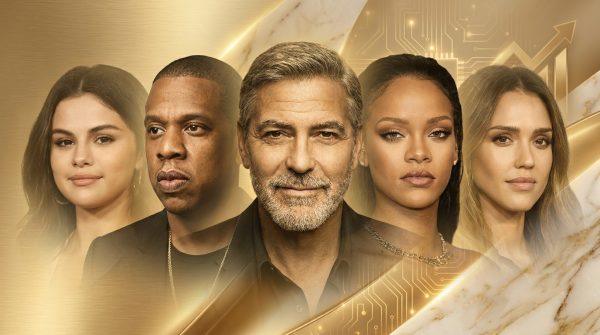
The line between celebrity and CEO has blurred. Today's biggest stars aren't just endorsing products—they're building companies that compete with Fortune 500 giants. From tequila to tech, these ventures are rewriting the rules of fame and fortune.
The Rise of the Celebrity Tycoon
Gone are the days when a star's income depended solely on box office hits or record sales. Now, a well-managed personal brand can generate more wealth than any film franchise. George Clooney proved this in 2017 when he sold his tequila brand, Casamigos, to Diageo for $1 billion. The actor showed that a celebrity could earn more from a distillery than from starring in blockbusters.
Similarly, Dr. Dre and Jimmy Iovine turned a passion for sound into Beats Electronics, which Apple acquired for $3 billion in 2014. That deal not only made them billionaires but also paved the way for Apple Music, transforming the premium headphone industry forever.
Diversification: The Ryan Reynolds Model
Ryan Reynolds has taken celebrity investments to another level. After the success of Aviation Gin, he turned his attention to telecommunications with Mint Mobile. By injecting humor and direct marketing into a traditionally rigid sector, he raised the company's value until T-Mobile finalized a purchase for $1.35 billion. This case highlights that active participation by the celebrity acts as a catalyst that multiplies the initial return on investment.
Beauty and Wellness: A Fertile Ground
The cosmetics sector has become perhaps the most fertile ground for these empires. Rihanna revolutionized the market with Fenty Beauty, introducing an unprecedented range of shades and partnering with LVMH to generate massive sales since its launch. Selena Gomez built Rare Beauty into an estimated $1.3 billion net worth, leveraging a message of mental health and inclusion. Jessica Alba, a pioneer with The Honest Company, took her vision of toxin-free products all the way to the New York Stock Exchange.
Hailey Bieber's skincare brand, Rhode, recently evolved from a social media cult favorite into an entity valued at nearly $1 billion following a strategic deal with e.l.f. Beauty. This move reflects an era where authenticity and media reach transform into tangible financial assets.
Latino Stars in the Game
Latin American and Latino artists are also making their mark. Thalía and Salma Hayek have built business empires that extend far beyond entertainment. Shakira recently sold her song rights in a $4 billion music catalog deal with Sony, showing that intellectual property is another lucrative asset class. These moves demonstrate that Latino stars are not just participants but leaders in this new economy.
A New Economic Paradigm
Today, figures like Jay-Z and Rihanna are not just artists; they own their supply chains and act as strategic partners for luxury groups. Celebrity investments have matured into sustainable business models that no longer depend on the lifespan of a musical hit. The success of these empires lies in the transition from sponsorship to direct equity ownership, allowing artists to capitalize on their global influence through historic sales to conglomerates like LVMH, Apple, and T-Mobile.
This shift represents a fundamental change in how we value fame. Success in the entertainment industry once depended on awards or box office records; now it appears on corporate balance sheets as well. Modern celebrity investments have become economic powerhouses that dictate global consumer trends and attract capital from the world's largest business groups.
For Latino audiences, this story is particularly resonant. As more Latin artists and entrepreneurs enter this space, they bring unique perspectives and cultural connections that resonate across the Americas and the diaspora. The future of celebrity wealth is not just about fame—it's about building lasting, meaningful businesses that reflect the values and aspirations of their communities.