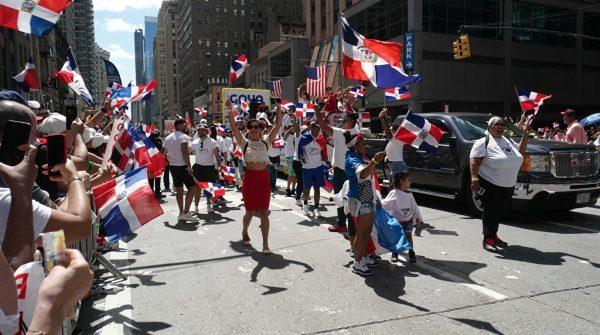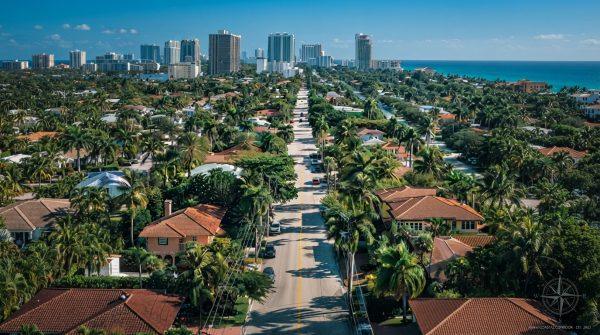
For millions of Latinos across the United States, language isn't a binary choice between English and Spanish. It's a fluid, living blend that emerges naturally in kitchens in Los Angeles, group chats in Miami, and workplaces in New York. This linguistic fusion, known as Spanglish, is far from "broken" speech—it's a dynamic system born from navigating two cultural worlds.
Once dismissed, Spanglish is now recognized as a powerful symbol of identity and adaptation. It reflects the reality of living where English often dominates professional and public spheres, while Spanish remains the heart language of family, emotion, and heritage. Instead of forcing a separation, many Latinos intuitively merge both, creating expressions that feel more accurate to their daily experience.
The Everyday Vocabulary of a Bicultural Life
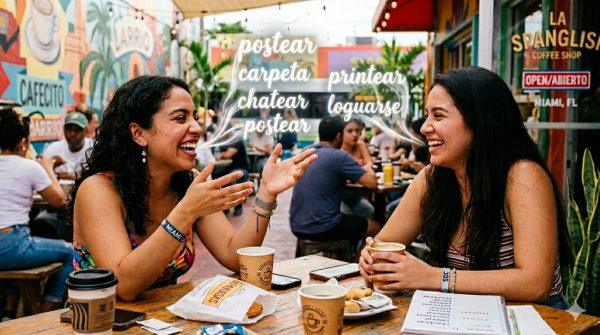
You might be speaking more Spanglish than you realize. Have you ever said you need to "aplicar" for a job or asked a friend to "llamar pa' atrás"? These are classic examples of how verbs and phrases morph to fit new contexts. The digital age has accelerated this blend: we "chateamos" or "posteamos" on social platforms, and "logueamos" into our accounts without a second thought.
Social plans involve "janguear" with friends, a term that carries a specific, casual connotation that "hang out" alone sometimes misses. Domestic life has its own lexicon; paying the "biles" is a common household phrase that feels more immediate than "facturas" or "bills." Even objects get renamed through proximity: in many U.S. Latino homes, a "carpeta" is more likely to be the living room floor covering than a folder.
These adaptations aren't random. They fill gaps, offering precision for experiences that exist squarely in a bilingual space. A word like "troque" for truck often emerges in communities and industries where that specific vehicle is central, showing how Spanglish evolves to serve the needs of specific groups, from construction sites in Houston to agricultural communities in Central Valley.
More Than Words: A Marker of Community and Generation
The use of Spanglish often traces generational lines. While older generations may cling to traditional Spanish, younger Latinos, particularly Gen Z, are embracing the hybrid as a core part of their self-expression. It's the language of their music, their memes, and their group chats—fast, expressive, and authentically theirs.
This generational shift is transforming Spanglish from informal family code into a mainstream cultural force. It's heard in the lyrics of reggaetón and Latin trap artists who code-switch effortlessly, and it's leveraged by marketers aiming to connect with the powerful Latino consumer base. What was once corrected in classrooms is now celebrated as a bicultural competitive advantage.
"Spanglish is not a choice; it is the language that simply makes the most sense."
This sentiment captures why these words matter. They create a sense of belonging and shared understanding. Using "jangueo" instead of "hangout" isn't just about vocabulary; it's a subtle signal of shared culture and experience. It allows for communication that carries the emotional weight of Spanish with the practical utility of English, removing the need for imperfect translation of feelings that exist between two worlds.
The Future Sounds Like Spanglish
As the U.S. Latino population continues to grow and influence national culture, the reach of Spanglish expands. It's moving beyond casual conversation into professional spaces, literature, and media. Its vitality proves that language is not a static set of rules but a living entity that grows with its people.
The normalization of Spanglish parallels a broader celebration of hybrid identity. Just as artists like Rosalía redefine musical genres, everyday speakers are redefining communication. This linguistic confidence reflects a community secure enough to shape the dominant culture, not just assimilate into it.
Most who speak it aren't analyzing grammar; they're simply communicating in the way that feels most natural. The story of Spanglish is ultimately the story of Latino communities in the U.S.—adaptive, creative, and building a unique identity that honors both their roots and their reality. It's the language of a vibrant, evolving diaspora, and it's here to stay.