For many Latinos in the US, the dream of owning a home or saving for the future has felt increasingly out of reach, especially in expensive coastal hubs like New York, Los Angeles, or Miami. But a growing trend is changing that calculus: cities across the country are now paying remote workers to relocate. These programs, which offer cash grants, housing assistance, and even tuition discounts, are designed to repopulate communities and boost local economies. For bicultural professionals who can work from anywhere, this could be a game-changer.
From Tulsa, Oklahoma, to Texarkana, Texas, the incentives vary widely but share a common goal: attract talent that will stay and invest in the community. The packages range from $10,000 to over $18,900, often distributed over the first year and tied to a minimum residency of two years. For Latinos who value family, community, and financial stability, these offers provide a rare chance to reset without sacrificing career growth.
Where the Money Is: Top Programs for Remote Workers
The most established program is Tulsa Remote, which offers $10,000 to selected applicants. Participants also get access to coworking spaces and a network of fellow transplants. The program requires a minimum annual income of $52,000 and proof of remote employment. Similarly, The Shoals in Alabama runs a comparable initiative, also demanding external residency and a stable income.
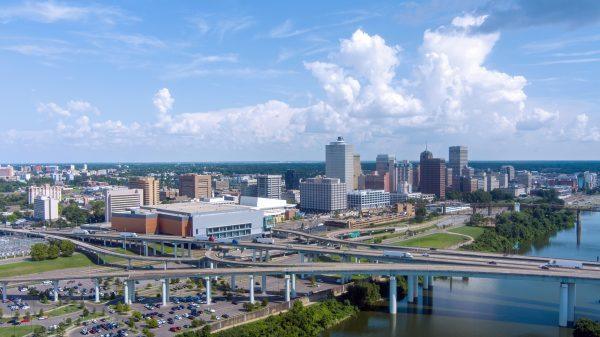
In Topeka, Kansas, and West Memphis, Arkansas, the focus shifts to military veterans and local workers, offering up to $10,000 for homebuyers or renters. These programs are particularly attractive for Latino veterans or those with ties to the region.
West Virginia takes a different approach with its Ascend WV program, which provides $12,000 in cash plus free adventure tourism packages in the Appalachian mountains. For Latinos who love the outdoors, this is a compelling option. Meanwhile, Huntington County, Indiana, pushes the envelope with over $15,000 in housing subsidies, making it one of the most generous in the Midwest.
The current ceiling belongs to Texarkana, straddling the Arkansas-Texas border. Its package is valued at more than $18,900, including $5,000 in direct cash and a 25% discount on tuition at Texas A&M University-Texarkana. For Latino families with college-bound children, that educational benefit could be a decisive factor.
Who Qualifies and How to Apply
Eligibility is strict but straightforward. Applicants must be at least 18, prove they work remotely for a company based outside the city, and meet income thresholds between $52,000 and $75,000 annually. Most programs use platforms like MakeMyMove to centralize applications. The cash is not handed over all at once; it's distributed pro-rata over 12 months, with a requirement to stay for at least two years.
For Latinos considering a move, these programs offer more than just money. They provide a pathway to communities where the cost of living is lower, and where it's possible to build generational wealth. As rents continue to rise in Sun Belt cities, relocating to a smaller city could be a smart financial move.
It's also worth noting that these incentives are part of a broader trend. As Texas apartment markets boom, cities are competing fiercely for remote workers. For Latinos who have felt priced out of traditional hubs, this is an opportunity to reclaim financial agency.
Ultimately, these relocation programs are not just about cash—they're about community. For bicultural Latinos, finding a place that feels like home, with good schools, safe neighborhoods, and a welcoming atmosphere, is priceless. And with packages like these, that dream is more attainable than ever.