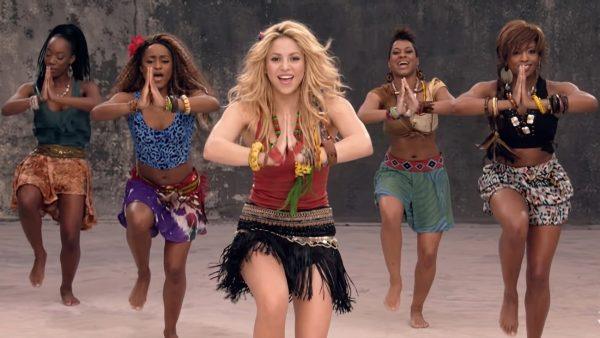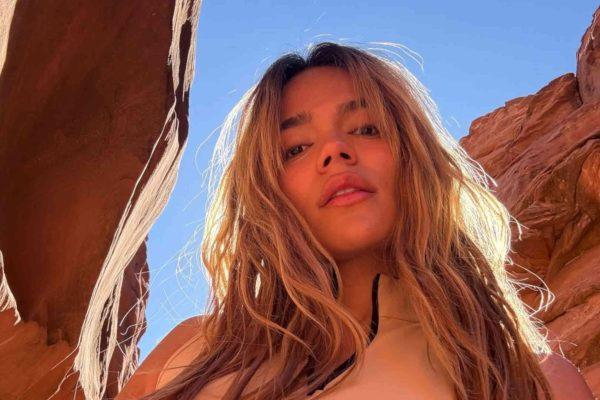
When Shakira drops a World Cup anthem, the world pays attention. But her latest collaboration with Burna Boy, Dai Dai, has done more than just set the tone for the 2026 tournament—it’s ignited a firestorm of interpretation. The Colombian superstar, born in Barranquilla, has woven a tapestry of football history, personal biography, and subtle provocation that has fans and pundits alike dissecting every frame.
The video opens with a dazzling roll call of twelve of the sport’s biggest names. From Lionel Messi and Kylian Mbappé to Erling Haaland, Vinícius Jr., and Colombia’s own Luis Díaz, the lineup is a global dream team. Spanish midfielder Rodri, Japanese talent Takefusa Kubo, Mexican forward Santiago Giménez, and young stars like Jamal Musiala, Alphonso Davies, Christian Pulisic, and Harry Kane round out the cast. It’s a deliberate celebration of the tournament’s bicultural spirit, but the real drama lies in the archive footage.
A Blast from the Past: Russia 2018
The controversy centers on a sequence from the 2018 World Cup group stage match between Spain and Portugal. The clip focuses on Cristiano Ronaldo’s hat-trick, specifically the defensive error by Gerard Piqué that allowed one of Ronaldo’s goals. For many viewers, this was no random choice. Given Shakira’s highly publicized breakup with Piqué, the inclusion feels like a calculated jab. It’s a moment of sporting vulnerability recontextualized as personal commentary, and social media has been buzzing with theories about the singer’s intentions.
But the video doesn’t stop there. By highlighting Spain’s defensive lapse rather than their usual triumphant moments, Shakira subverts the typical FIFA anthem formula. Instead of glorifying La Roja’s winning mystique, she presents them in a moment of struggle. This has been read as a broader critique of the Spanish national team, a subtle shift in narrative that aligns with her own story of resilience after a very public personal ordeal.
The choice of Burna Boy as collaborator is also significant. The Afrobeat star brings a fresh, global sound that mirrors the tournament’s expanding cultural reach. Together, they create a track that feels both celebratory and introspective, a blend that has become Shakira’s signature in her World Cup anthems. This isn’t just a party song; it’s a statement.
For Latino audiences, the video resonates on multiple levels. It’s a reminder of Shakira’s ability to turn personal pain into art, a trait that has endeared her to fans across the Americas. It also highlights the deep connections between Latin American football and the global stage, from Messi’s Argentine magic to Luis Díaz’s Colombian grit. The inclusion of Santiago Giménez, a rising star from México, further anchors the video in the region’s football culture.
As the World Cup approaches, Dai Dai is already shaping up to be one of the most talked-about anthems in recent memory. Whether you see it as a clever marketing move, a personal catharsis, or a bit of both, Shakira has once again proven that she knows how to command the spotlight. For more on her World Cup journey, check out our coverage of Shakira inviting Uganda's Ghetto Kids to dance at the 2026 World Cup Final halftime show and the historic lineup for the Final halftime show in New York.
In the end, Shakira’s genius lies in her ability to blend the personal with the universal. Dai Dai is more than a music video—it’s a conversation starter, a cultural artifact, and a reminder that in the world of Latin pop, no one does it quite like her.