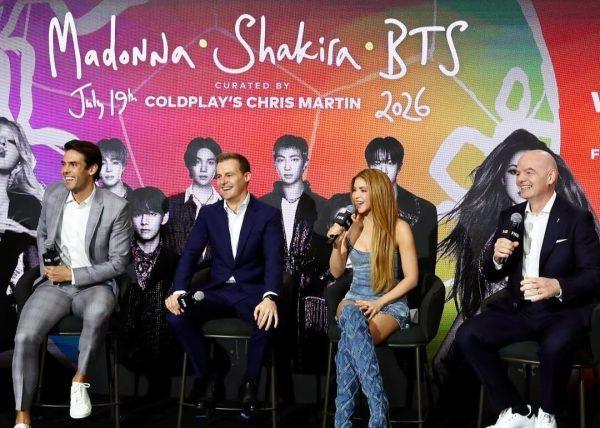
FIFA has officially confirmed that the 2026 World Cup final will feature a halftime concert inspired by the Super Bowl format, bringing together three global music icons: Shakira, Madonna, and BTS. The match, set for July 19 at MetLife Stadium in New York/New Jersey, will now include a 25-minute intermission designed for a mega-spectacle that merges football with pop culture.
A Lineup That Spans Continents
Shakira, the Colombian superstar from Barranquilla who has become synonymous with World Cup anthems, will share the stage with Madonna—the Queen of Pop—and South Korean K-pop phenomenon BTS. This marks the first time FIFA has extended the halftime break to accommodate a full-scale concert, a move that signals the tournament's ambition to transform its entertainment identity on North American soil.
The announcement comes alongside the global release of “Daï Daï,” the official anthem of the 2026 World Cup, performed by Shakira and Afrobeats icon Burna Boy. The track, which dropped on May 14 via Sony Music Latin, draws its title from an Italian expression meaning “Let’s go!” and has already earned widespread praise from critics and fans alike. Unlike the tournament’s earlier single “Lighter,” which divided opinions, “Daï Daï” is being hailed as a unifying chant ready to echo across the pitch in New York.
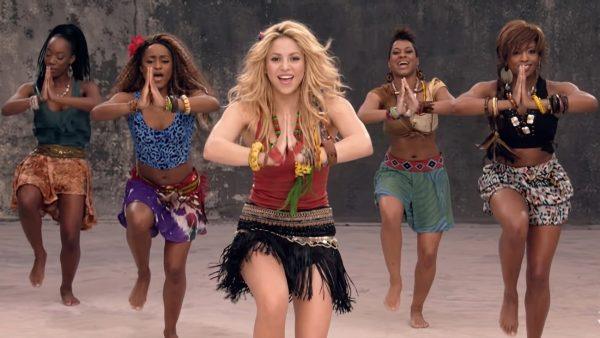
For Shakira, this return to the World Cup stage is a homecoming of sorts. Her 2010 anthem “Waka Waka (This Time for Africa)” remains one of the best-selling World Cup songs of all time, and her connection to the tournament runs deep. As we explored in our breakdown of the anthem’s roll call of football legends, the song pays homage to icons from Pelé to Messi, bridging generations of the beautiful game.
Rhythm with a Purpose: A $100 Million Goal
The halftime show isn’t just about entertainment—it’s tied to an ambitious social initiative. FIFA has partnered with the NGO Global Citizen, with backing from Coldplay’s Chris Martin, to raise $100 million for the Global Citizen Education Fund. The fund will support schooling and youth football programs in vulnerable communities across the globe.
To reach that target, FIFA will donate one dollar from every ticket sold throughout the tournament. Additionally, all royalties generated by “Daï Daï” will go directly to the cause, with an initial contribution of $250,000 from Sony Music. This charitable angle adds a layer of purpose to what promises to be a historic night.
Shakira’s involvement also comes on the heels of a major legal victory: a Spanish court ordered a $70 million tax refund in her favor, as we reported in our coverage of the landmark case. The singer has been navigating a complex public and personal landscape, including tensions with ex Gerard Piqué over their children’s exposure during her world tour—a story we detailed in this piece.
A New Era for the World Cup
With 48 teams competing in the expanded tournament and a halftime break extended to 25 minutes, the 2026 World Cup is shaping up to be a cultural watershed. The inclusion of artists from Latin America, the United States, and Asia reflects the global reach of the sport and its ability to bring together diverse audiences.
For Latino fans, seeing Shakira—a woman who has carried the flag for Colombian and Latin music on the world stage—headline alongside Madonna and BTS is a moment of pride. It’s a reminder that our artists are not just participants in global pop culture; they are architects of it. As the countdown to July 19, 2026 begins, one thing is clear: the World Cup final will be more than a match. It will be a celebration of rhythm, unity, and the power of music to move the world.