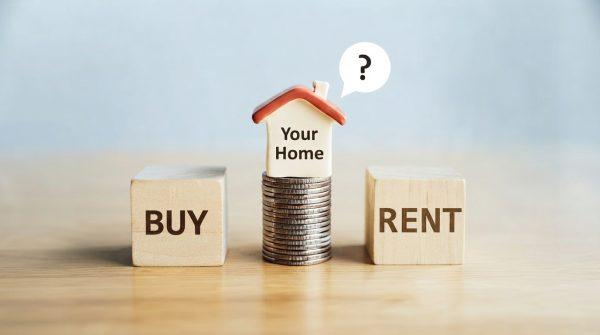
For many Latino families across the U.S., the decision to rent or buy a home is more than a financial calculation—it's about stability, community, and building a future. As September 2026 unfolds, the gap between monthly rent and mortgage payments has widened, making the choice even more critical.
According to a Realtor.com report cited by CNBC Select, renting is currently the more affordable option in most major metropolitan areas. In July, the median rent across the 50 largest U.S. cities was $1,695 per month. Meanwhile, buying a median-priced home—$428,950—with a 10% down payment and a 30-year fixed mortgage at an average rate of 6.66% (as of August 27) would require about $2,480 per month for principal and interest alone. That's a difference of $785 each month, before factoring in property taxes, insurance, and maintenance.
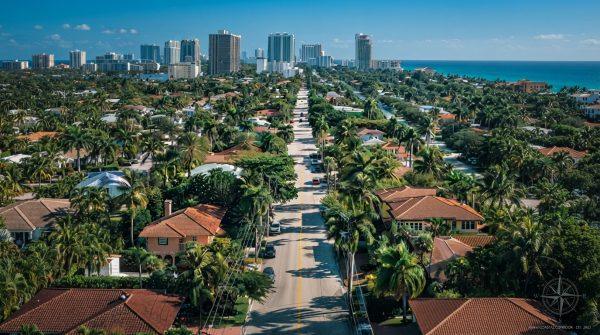
This financial reality hits home for many in our community, where homeownership has long been a symbol of the American Dream. But the dream now comes with a heavier price tag. A Construction Coverage analysis, backed by Zillow and the U.S. Bureau of Labor Statistics, found that buying exceeds renting costs in 95 of the 838 cities studied. In cities like Los Angeles, Miami, and New York—home to large Latino populations—the gap can be even wider.
Beyond the monthly payment: hidden costs and long-term gains
While renting offers lower upfront costs and predictable expenses, buying builds equity with each payment. Homeowners can also benefit from property appreciation over time, which has historically outpaced inflation. However, unexpected repairs—a leaky roof, a broken HVAC—can quickly add to the financial burden. Renters, on the other hand, typically have these costs covered by their landlords.
The Bank of America Institute reports that 53% of Americans still prefer buying, but the remaining 47% choose renting or living with relatives. This split reflects a broader trend: many are waiting for more favorable market conditions or saving for a larger down payment. For those considering a home purchase, financial advisors recommend keeping an emergency fund separate from the down payment to cover unforeseen expenses.
Before making a decision, it's essential to evaluate your personal financial readiness and long-term career stability. If you plan to stay in the same area for at least five to seven years, buying might be worth the initial investment. If not, renting offers flexibility and lower risk. Also, consider local market trends—some neighborhoods are seeing rapid appreciation, while others remain stagnant.
For those leaning toward renting, review lease terms carefully. Look for rent escalation clauses and understand your rights under local housing regulations. For buyers, shop around for mortgage rates from multiple lenders, as even a small difference can save thousands over the life of the loan. And if you're worried about hidden costs, check out our guide on common money mistakes that can derail your savings.
Ultimately, the choice between renting and buying in September 2026 depends on your individual goals. If minimizing immediate expenses is your priority, renting is the clear winner. But if you're ready to settle down and build wealth over time, buying could be the smarter long-term move. As the market continues to shift, staying informed is your best strategy.
For more financial insights tailored to our community, explore our analysis of AI money tools and their potential risks for Latino families. And don't forget to check the September SNAP payment dates if you rely on food assistance.