For many Latino families across the United States, the dream of homeownership has become a financial puzzle. In cities from Los Angeles to Miami, the monthly cost of buying a home now exceeds rent by thousands of dollars, creating a new kind of consumer: the dual shopper. These are people who actively search for both rental and for-sale properties in the same month, trying to figure out which path makes more sense for their budget.
Zillow analyzed user activity to find the metropolitan areas with the highest concentration of this behavior. The results show that the gap between renting and owning is reshaping how Latino communities approach housing, especially in coastal hubs where prices have soared far beyond income growth. Here are the ten cities where the decision is hardest, according to the data.
California Dominates the Dual Shopper Map
Unsurprisingly, California cities top the list. Los Angeles leads the nation with 12% of shoppers looking at both markets, facing a $2,174 monthly gap between owning and renting. For many Latino Angelenos, that extra cost means sacrificing other priorities—like saving for retirement or helping family back home. San Diego follows at 10.8%, where the gap reaches $1,724 per month, forcing families to ask whether the extra space is worth the premium.
San Francisco ranks third with 10.1% of dual shoppers and the widest payment gap in this group: $2,212 extra per month for buyers. Meanwhile, San Jose ties with Austin at 9.0% but has the most extreme ownership gap in the entire study—$3,438 additional per month. That's a staggering sum that makes renting look like a bargain, even for tech workers earning solid salaries.
Miami and Austin: Latino Hubs with Different Dynamics
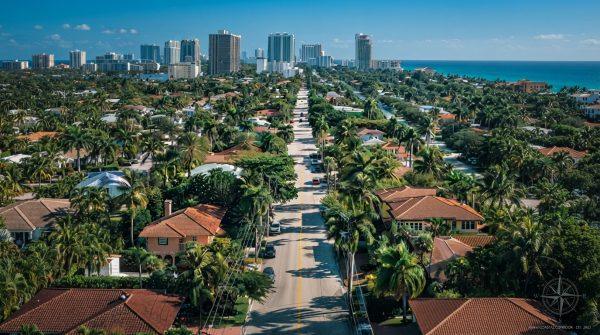
Outside California, Miami holds the fourth spot with 9.4% of dual shoppers. While the gap is smaller at $622 per month, the city's high cost of living and influx of new residents keep the market tense. For many Cuban, Venezuelan, and Colombian families in South Florida, the choice often comes down to staying in a familiar neighborhood versus moving farther out for affordability.
Austin ties for fifth at 9.0%, with homeowners paying an $880 monthly premium after the post-pandemic price surge. The Texas capital has become a magnet for Latino professionals in tech and creative industries, but the rapid growth has made homeownership feel out of reach for many.
Seattle, Las Vegas, and the Space Trade-Off
Seattle appears seventh with 8.5% of dual shoppers and a $1,292 gap, reflecting pressure from its booming tech sector. Las Vegas takes eighth place at 8.0%, notable for having the smallest house size difference on the list: you can rent almost the same space you would buy for $510 less per month. That's a tough sell for anyone hoping to build equity.
Washington, D.C. sits at 7.6%, matching the national average, where owning costs $717 more than renting. New Orleans rounds out the list at 7.5%, but it offers the largest space advantage for buyers—about 362 square feet more than a rental. For Latino families who value multigenerational living, that extra room can be a game-changer.
As the 2026 World Cup approaches, cities like Los Angeles, Miami, and Seattle will see even more pressure on housing. Latino fans planning to attend matches should also check hotel price surges that could affect their travel budgets. For those considering a move, walking-friendly cities might offer a more affordable lifestyle—see our guide to the best U.S. cities for walking in 2026.
The bottom line: whether you rent or buy, the decision is no longer just about preference. It's about math, family priorities, and the reality that in many U.S. cities, owning a home has become a luxury that fewer can afford.