For many Latinos traveling within the United States, the idea of exploring a major city without a car might seem like a fantasy. But a growing number of American metropolises are proving that the best way to experience a place is by putting one foot in front of the other. According to a recent analysis by The Washington Post, several cities now offer pedestrian-friendly infrastructure that rivals the walkability of European capitals—and they're perfect for budget-conscious travelers who want to skip the Uber surcharges.
New York City: The Undisputed Queen of Walkability
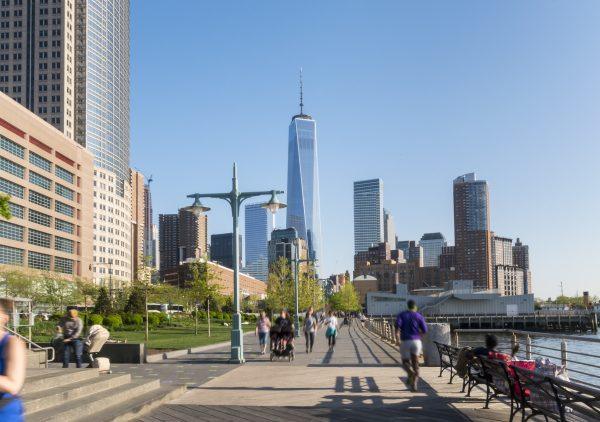
New York City remains the gold standard for urban exploration on foot. In Manhattan, the density of cultural institutions, parks, and dining options means you can start your morning with a café con leche on the Upper West Side, visit the Metropolitan Museum of Art, and catch a Broadway show in the evening—all without touching a steering wheel. The city's grid system and reliable subway make it easy to cover ground, but the real magic happens when you wander through neighborhoods like the Lower East Side or Harlem, where every block tells a story of migration and resilience.
San Francisco: Hills and Hidden Gems
San Francisco challenges visitors with its steep inclines but rewards them with deeply interconnected neighborhoods. From the bustling Mission District, where taquerías and murals celebrate Latino culture, to the historic streets of Chinatown and North Beach, the city's compact layout makes it ideal for walking. The cable cars are a fun novelty, but the real joy is discovering a panadería or a hidden park while climbing those famous hills.
Washington D.C., Boston, and Chicago: History on Foot
Washington D.C. offers a unique blend of education and accessibility. The National Mall's wide sidewalks connect monuments and museums like the Smithsonian, making it easy to absorb American history without spending a dime on transportation. Boston's colonial streets and compact size make it a walker's paradise, especially in neighborhoods like Beacon Hill and the North End, where Italian bakeries and historic sites are steps apart. Chicago, despite its size, has invested heavily in pedestrian infrastructure, linking its vibrant downtown with the shores of Lake Michigan through the Lakefront Trail. For Latinos, these cities also offer rich cultural enclaves—from D.C.'s Columbia Heights to Chicago's Pilsen—where walking reveals the pulse of the community.
Philadelphia: Step-by-Step Discovery
Philadelphia's old neighborhoods, like Old City and South Street, are designed for strolling. The city's mural arts program has turned walls into canvases, and walking tours let you explore Latino heritage in areas like the Italian Market and the growing Mexican corridor in South Philly. It's a city where every corner offers a new flavor, from a torta to a cheesesteak.
Portland and Seattle: The Northwest's Pedestrian Revolution
The biggest surprise in the 2026 rankings is the rise of Portland and Seattle as benchmarks for sustainable mobility. Both cities have integrated public spaces with a culture that rejects car dependency. In Portland, neighborhoods like Alberta Arts and Hawthorne are best explored on foot, with independent bookstores, coffee shops, and food carts that reflect the city's creative spirit. Seattle's Capitol Hill and Pioneer Square offer walkable access to music venues, museums, and waterfront views. For Latinos in the diaspora, these cities also host vibrant fiestas and cultural centers that are easily reached without a car.
Why Walkable Cities Matter for Latino Travelers
Choosing a walkable city isn't just about saving money on Ubers or rental cars—though that's a nice bonus. It's about connecting with local culture in a way that's impossible from behind a windshield. When you walk, you notice the taquería with the line out the door, the mural celebrating Día de los Muertos, the small botánica that's been in the neighborhood for decades. These are the experiences that make travel memorable, and they're often missed when you're speeding from one attraction to another.
For those planning a trip, consider pairing a walkable U.S. city with a visit to a European destination where a modest budget goes far—like those highlighted in our guide to European cities where a $2,000 monthly budget offers a comfortable retirement. And if you're looking for a getaway that doesn't require a passport, check out our list of U.S. destinations you can visit with just a state ID.
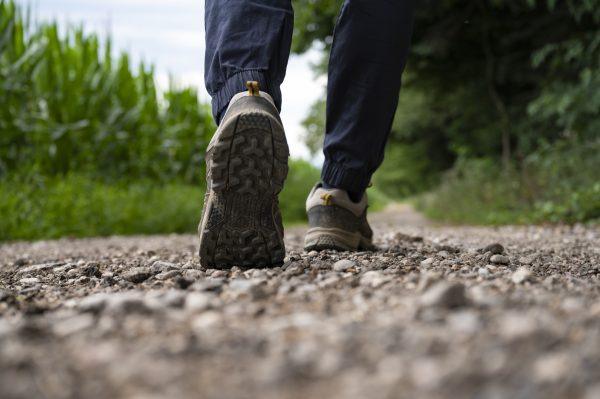
The tourism of the future is slow, conscious, and pedestrian. So lace up your sneakers, grab a mapa, and discover the U.S. one step at a time.