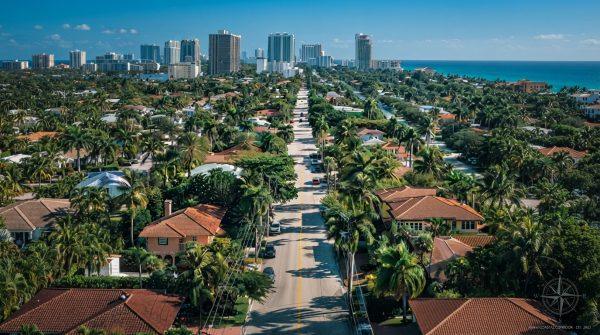
In 2025, the Latino community in the United States reached a historic milestone: over 10.2 million households now own their homes. According to a new report from the National Association of Hispanic Real Estate Professionals (NAHREP), Latinos were the only demographic group to see net growth in homeownership, adding 441,000 new owners while non-Hispanic whites and African Americans experienced significant declines. Without this surge, the U.S. housing market would have lost 125,000 homeowners overall.
Household Formation Outpaces Home Buying
Despite the record number of owners, the Latino homeownership rate dipped slightly to 48.5%. The reason? An explosive wave of new household formation. In 2025, Latino families created 1,094,000 new households — the highest since 2012 — accounting for 92.6% of all U.S. household growth. This rapid expansion statistically diluted the gains in home purchases, highlighting a community that is both growing fast and eager to put down roots.
“The pace of new family creation is so dynamic that it outstrips the market’s current absorption capacity,” said a NAHREP analyst. “Latinos are not just buying homes; they are building households at an unprecedented rate.”
Confidence Returns, Investment Strategies Evolve
After years of uncertainty, Latino buyers are returning to the market, fueled by more stable prices and attractive interest rates. Real estate agents in key states like Texas and California report that optimism is reinforced by tight-knit community networks. “When friends and family succeed, it motivates others to take the leap,” said a Houston-based agent.
An emerging trend is financial diversification: many Latinos are keeping their first home as a rental property to generate passive income while purchasing a second residence. This strategy, common in cities like El Paso and Miami, is helping families build long-term wealth. For those exploring creative paths, California's 'Rent Now, Pay Later' model is gaining traction among Latino tenants navigating the housing crisis.
Barriers and Political Climate
Despite the gains, challenges remain. High monthly payments and election-cycle volatility create hesitation. Uncertainty around immigration policies and economic security instills fear, causing families to think twice before committing to large mortgages. Yet, the interest in real estate investment — including home flipping in markets like El Paso — shows that Latinos are using property as a strategic tool for financial stability.
“We’re not just looking for a roof over our heads,” said a real estate investor in Dallas. “We’re building a foundation for our families.” This resilience is also reflected in other sectors: Karol G's Tropitour recently sold out 2 million tickets, underscoring the cultural and economic power of the Latino community across the Americas.
As the housing market evolves, Latinos are proving to be a driving force — not just in numbers, but in strategy and determination. For those watching the broader trends, US Housing Prices Drop in Florida and Beyond offers insights into what these shifts mean for Latino homeowners.