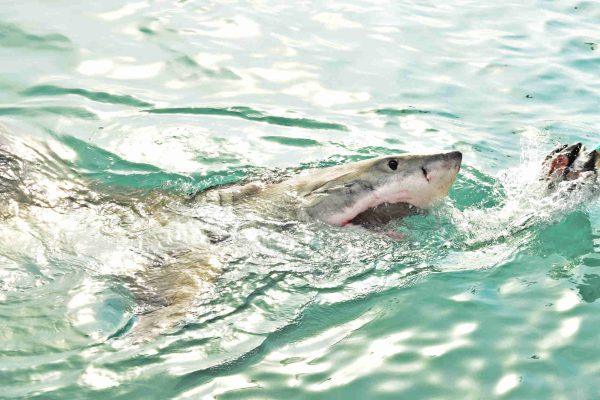
What began as a calm snorkeling trip in the shallow waters of Saint Andrew Bay turned into a nightmare for a Naval Surface Warfare Center employee. The worker was attacked by a shark near Panama City, leaving the community in shock and rallying around the victim's family. Within days, a GoFundMe campaign has raised more than $159,000, a testament to the generosity of neighbors, colleagues, and strangers alike.
A community's swift and generous response
The fundraising effort, organized by friends and family, aims to cover mounting medical expenses and rehabilitation costs. As of this writing, the campaign is closing in on its $200,000 goal, with donations pouring in from across Panama City and beyond. Organizers have expressed deep gratitude for every contribution, noting that the support has been a lifeline for the family during this difficult time.
“We are overwhelmed by the love and support shown to our family,” said a relative in a statement on the GoFundMe page. “Every dollar brings us closer to focusing fully on his recovery.” The victim's identity has not been publicly disclosed, respecting the family's privacy, but the outpouring of solidarity speaks volumes about the community's character.
Why did the shark attack happen?
Marine biologists from the National Marine Fisheries Service have weighed in on the unusual incident. They point to the presence of large sea turtles in the bay as a likely attractant for a bull shark, a species known for its aggressive behavior and tolerance for brackish waters. The attack, while rare, serves as a reminder of the wild marine life that shares these coastal waters with swimmers and workers.
“Bull sharks are opportunistic feeders, and a sea turtle in the area could easily trigger a strike,” explained a marine expert. “It's a natural predatory response, not a deliberate attack on a human.” Still, the incident has raised questions about safety in the bay, and local authorities are monitoring the situation.
Support beyond the dollars
The GoFundMe campaign is more than just a collection of funds; it's a symbol of collective empathy. The family has emphasized that the priority is the victim's medical recovery, which includes surgeries and long-term rehabilitation. The financial support will ease the burden of hospital bills, transportation, and other expenses that have piled up.
Similar stories of community resilience have emerged across the region. For instance, a kayaker's harrowing encounter off the California coast also drew widespread support. And in Miami, a star-studded benefit for earthquake victims showed how Latinos come together in times of crisis.
As the campaign continues, the family remains hopeful. “We are taking it day by day,” the relative added. “The support gives us strength.” For now, the community's embrace is a beacon of hope in the face of a devastating event.