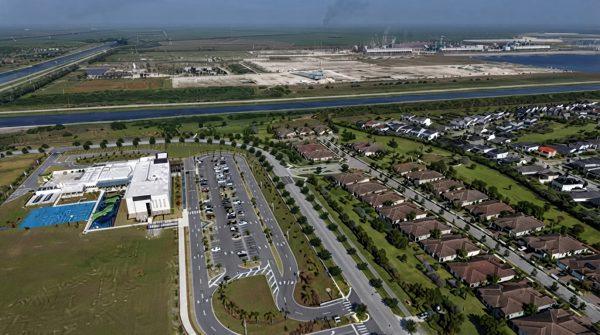
In a decisive move that underscores growing tensions between technological ambition and environmental stewardship, Palm Beach County commissioners voted 5-1 to reject a proposed AI data center that would have been built just 26 kilometers from Mar-a-Lago and on the edge of the Everglades. The project, spearheaded by PBA Holdings, would have consumed as much electricity as 500,000 homes, raising serious concerns about its impact on the region's delicate freshwater systems.
Environmental alarms over heat and water
The proposed facility, situated on an 82-hectare plot in the county's western reaches, would have relied on massive cooling systems to keep its servers from overheating. According to technical reports presented during a July public hearing, these systems would have expelled significant amounts of heat into the surrounding air, potentially raising local temperatures by up to 2°C. That thermal increase, experts warned, could warm the freshwater canals that flow into the Everglades, accelerating the growth of cyanobacteria—blue-green algae that produce microcystin, a toxin dangerous to both wildlife and human health.
Environmental groups and community organizations were quick to point out that the area's waterways already face challenges from nutrient runoff, particularly phosphorus and nitrogen from nearby sugarcane fields. Warmer waters would only exacerbate the problem, threatening decades of restoration work. The U.S. Army Corps of Engineers has overseen Everglades restoration efforts costing over $6 billion, and many fear that a project of this scale could undermine those investments.
“This is about protecting a national treasure,” said one conservationist during the hearing. “We cannot let short-term tech profits jeopardize the long-term health of the Everglades.”
Community opposition and legal challenges
The Western Palm Beach Community Alliance, backed by the environmental law firm Earthjustice, filed legal objections against the project. The county's school board and the Palm Beach Teachers Association also voiced concerns about noise and traffic near educational facilities. Residents worried that the data center's enormous energy demands would drive up electricity rates for everyone.
Neighboring municipalities supported the halt, arguing that the county's existing industrial permits were never designed for such hyper-massive tech complexes. The developer, PBA Holdings, insisted that the facility would use a closed-loop cooling system to minimize direct water consumption. However, independent experts noted that even with such a system, the heat dissipated into the air would still alter the local ecological balance.
The commissioners' rejection reflects a broader civic resistance to the unbridled expansion of digital infrastructure in ecologically vulnerable areas. This sentiment is not unique to Florida; across the country, communities are grappling with the environmental and social costs of AI's insatiable appetite for energy and land. In fact, AI data centers have been outbidding homebuilders, worsening housing affordability for many families, including Latino communities.
What's next for Palm Beach and beyond?
The commission is now considering a temporary moratorium on large-scale data center construction while it develops specific regulations for the tech industry. The outcome of these deliberations could set a legal precedent for other counties facing similar pressures from major digital corporations, which are monitored by the Federal Energy Regulatory Commission.
For now, grassroots activism and environmental oversight remain crucial barriers against unchecked industrial encroachment. As the debate continues, the Everglades—a unique and irreplaceable ecosystem—stands as a reminder that not all progress is worth the cost. The decision in Palm Beach County may well influence how other regions balance the promise of AI with the preservation of their natural heritage.
For those interested in the broader implications of tech expansion on coastal communities, Miami's real estate boom offers a parallel story of growth and its consequences. And as Florida grapples with these issues, residents can also stay informed about safety concerns at local beaches, a reminder of the delicate balance between human activity and nature.