If you had plans to hike the trails of the Coronado National Forest or explore the rolling hills of the San Rafael Valley, you might want to rethink your itinerary. Federal authorities have issued a sweeping closure of public lands along Arizona's southern border, and the restrictions are set to remain in place until January 20, 2029.
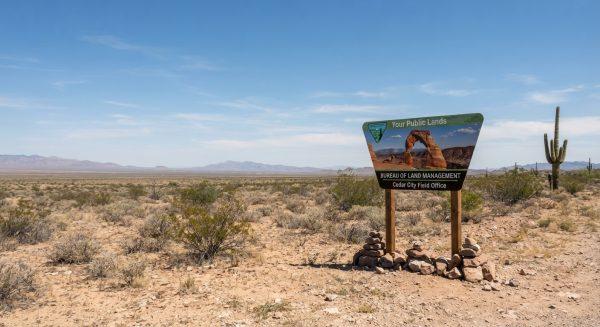
The order, announced by the U.S. Forest Service, blocks access to roughly 56 miles of federal property that hugs the international boundary. The affected areas include the Patagonia Mountains, the Atascosa Highlands, the Pajarito Wilderness, and Sycamore Canyon. The exclusion zone extends up to 300 yards from the border, effectively creating a buffer that prohibits both pedestrian and vehicular traffic.
For many in the region, the news came as a shock. Local lawmakers and residents have voiced frustration over the lack of prior notice and the broad scope of the closure. "Arizona residents deserve transparency regarding what happens on our public lands," said Democratic Representative Adelita Grijalva in a statement. "We have a right to know why such a generalized closure is necessary and what is being done to protect these areas rather than preventing us from documenting the impacts of border wall construction."
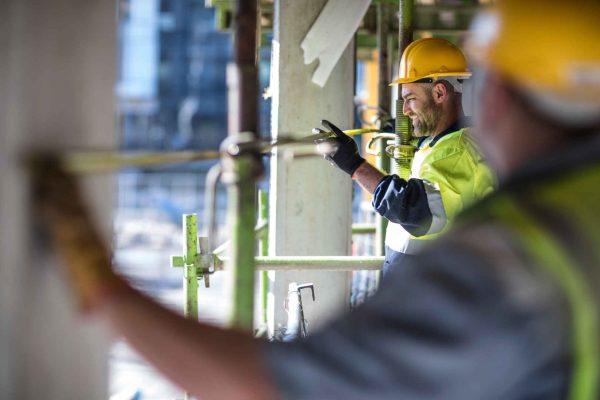
The Forest Service defends the measure as a necessary safety precaution. Spokesperson Starr Farrell explained that contractors have scheduled heavy operations across different sectors over the next two years, and that the buffer zone is meant to keep civilians away from active construction sites. "Heavy machinery and ongoing operations present immediate hazards for any unprepared traveler," she said.
Environmental concerns and the Sky Islands
But environmental groups are questioning whether the closure is justified. The affected landscapes are part of the Sky Islands, a unique ecological region that spans southern Arizona and northern Sonora, México. These mountain ranges are critical for biodiversity, serving as corridors for species like jaguars and ocelotes, which have been spotted in the area in recent years. Conservationists warn that the construction and the associated human activity could disrupt these fragile habitats.
"This is a vital region for wildlife connectivity," said one local ecologist who asked not to be named. "Closing off public access doesn't necessarily protect the environment—it can also prevent the public from seeing what's happening to it."
The closure has also sparked a broader debate about the balance between border security and environmental stewardship. While federal administrators cite safety risks, critics argue that the geographic scale of the restriction is disproportionate to the actual construction footprint. The order covers far more than the immediate work zones, and some see it as a way to limit oversight of border wall projects.
Similar tensions have played out elsewhere along the border. In Texas, ranchers have sued to stop border wall construction in Big Bend, citing environmental and property concerns. The Arizona closure adds another layer to this ongoing conflict.
What's still open and what's not
Not all public land in the area is off-limits. The San Rafael State Natural Area, which is managed by the state of Arizona, remains open to the public. That means visitors can still access parts of the valley, but they'll have to stay clear of the federal lands that surround it.
For those who do enter the restricted zones, the penalties are steep. Individuals face up to six months in prison and fines of up to $5,000. Organizations can be fined up to $10,000. Law enforcement officers are authorized to enforce the order strictly, and media representatives must obtain special permits to enter.
There are some exceptions: federal, state, and local officials on official duty, active firefighting crews, permitted researchers, and licensed hunters retrieving downed game can still access the area under strict guidelines. But for the average hiker or birdwatcher, the borderlands will be off-limits for the foreseeable future.
The closure has also raised questions about the long-term impact on local communities that depend on outdoor recreation. Towns like Patagonia and Nogales often see visitors who come to explore the national forest and its trails. With the land closed, those visitors may go elsewhere, dealing a blow to the local economy.
As the debate continues, one thing is clear: the borderlands of Arizona are at the center of a complex struggle between security, ecology, and public access. For now, the gates are closed, and the desert waits.