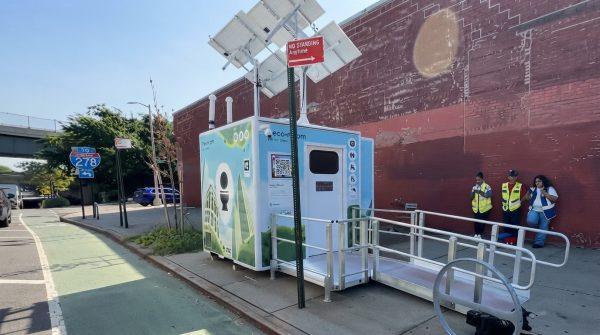
New Yorkers know the struggle: you're out running errands, exploring a new neighborhood, or just commuting, and suddenly nature calls. For decades, finding a public restroom in the city has been a game of chance, often leading to awkward coffee shop purchases or desperate dashes into subway stations. But that's starting to change. Mayor Zohran Mamdani and city officials have launched a pilot program to install 17 free, self-cleaning public bathrooms across all five boroughs, aiming to bring some dignity back to daily urban life.
The initiative, funded with an initial $4 million allocation, places these modular units in high-traffic plazas and commercial corridors. They're designed to be fully accessible, with contactless entry, climate control, running water, and even a baby changing station. The goal is to serve not just tourists, but also delivery workers, families, and anyone else who needs a safe, clean place to go.
Where to find the new public restrooms
The first batch of 17 units is spread across the city, with locations chosen for their dense pedestrian traffic:
- Bronx: Near Yankee Stadium, Admiral Farragut Playground, Mapes Park, and Monsignor Raul Del Valle Square.
- Brooklyn: Columbus Park, Milestone Park, Fulton Street, Truxton Street, and Avenue C Plaza.
- Queens: Astoria Boulevard South with 31st Street, Northern Boulevard with 31st Street, Northern Boulevard with 54th Street, and 34th Street with 64th Street.
- Manhattan: Cooper Square, Malcolm X Plaza, Delancey Street with Suffolk Street, and Plaza Alianza Dominicana.
- Staten Island: Locations to be announced.
These spots were chosen in coordination with the Department of Transportation and economic development teams to maximize accessibility for commuters, shoppers, and local workers. If the pilot proves successful, the mayor has said the city will purchase more units by the end of next summer.
How to use the new NYC public bathrooms
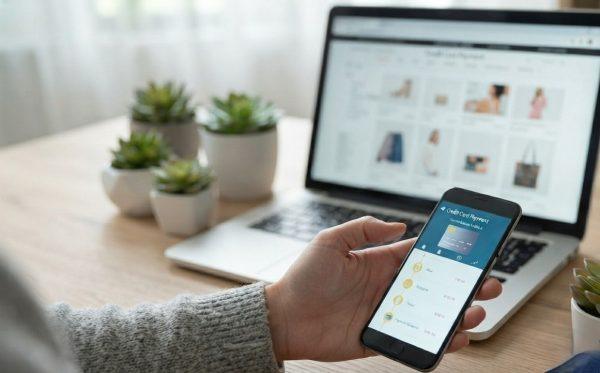
Each unit operates daily from 7:00 am to 10:00 pm. To enter, you can use the official Throne app, send a text message, scan a QR code, or use a physical access card distributed by community partners. The app also lets you find the nearest restroom, check real-time cleanliness ratings, and see if a unit is available before you head over.
Once inside, you'll find a fully ADA-compliant space with a sink, flush toilet, climate control, and even ambient music. But there's a catch: each session is limited to 10 minutes. The system gives you visual and auditory warnings as your time winds down, and when it's up, the door opens automatically—so you'll want to be quick.
These high-tech units are also designed to be low-maintenance. They run on autonomous water tanks, so they don't need complex plumbing connections, and automated monitoring systems track supply levels and alert maintenance crews to any issues.
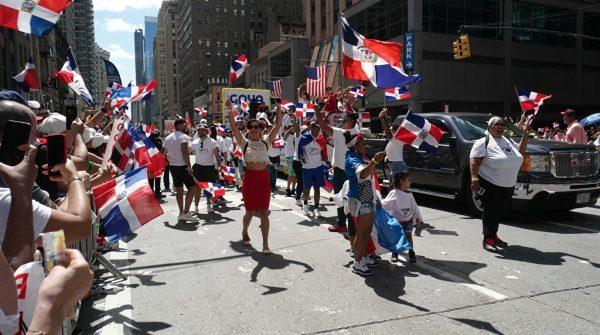
For many in the Latino community, this is a welcome change. In neighborhoods like Washington Heights, Corona, and Bushwick, where public amenities have often been scarce, these new restrooms offer a sense of respect and recognition. It's a small but meaningful step toward making the city more livable for everyone.
As the program rolls out, city officials are encouraging feedback from residents. If the pilot is a hit, we could see more of these units popping up across the five boroughs. For now, New Yorkers can breathe a little easier—literally.