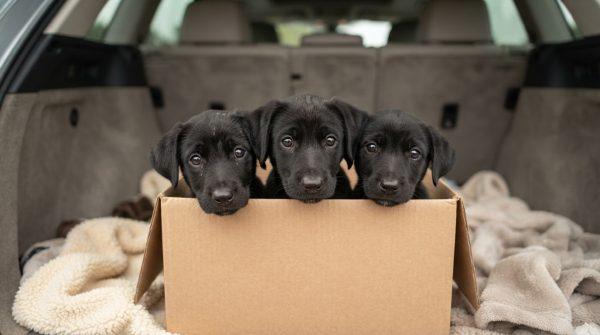
On the bustling streets of Midtown Manhattan, a troubling sight has become all too familiar: puppies being sold from the trunks of cars. What seemed like a few isolated incidents has now unraveled into a much larger, underground operation. Law enforcement and animal welfare groups are zeroing in on a ring of sellers who have turned the city's sidewalks into a shadowy pet marketplace.
The investigation centers on three men—Brandon Rone, Tyshawn Walker, and Dasheim Harris—who allegedly ran an itinerant puppy-selling business from private vehicles in the Diamond District, particularly along West 47th Street. According to the ASPCA and other agencies, the trio used digital storefronts like "Pups R Us" and "FUReverhome" to advertise toy poodles, cavapoos, cockapoos, goldendoodles, and Pomeranians, often just weeks old. They promised these puppies would grow to a petite 5 to 8 pounds, a selling point for many city dwellers.
The operation came to light after a series of citizen complaints and journalistic tracking during the summer months. Investigators noted that the sellers used cars as mobile showrooms, parking along pedestrian-heavy streets to display the animals. The puppies were sold at exorbitant prices, with transactions often conducted in cash, sometimes flaunted in photos alongside luxury items. This clandestine approach allowed the sellers to bypass health checks and state regulations that prohibit the street vending of domestic animals.
A network with roots in Philadelphia
Authorities say the ring is not a local, one-off scam. Rone, Walker, and Harris all hail from Philadelphia, and Walker already has a criminal record for illegal dog selling in Pennsylvania. The operation appears to be a well-organized network, with each man playing a distinct role: Rone manages the online advertising and brand, Walker coordinates parallel sales under his own venture, and Harris handles logistics, moving the animals and evading regulatory controls.
Animal welfare organizations, including the Humane Society of the United States, are pushing for severe penalties. They argue that such operations not only violate animal welfare laws but also expose buyers to serious risks. Puppies sold without proper veterinary care may carry hidden health conditions, leading to unexpected and costly vet bills for unsuspecting families. The American Veterinary Medical Association recommends that anyone looking to add a pet to their home should only adopt from authorized shelters or certified breeders, where health and origin are documented.
The investigation has also sparked a broader conversation about the illegal pet trade in urban centers. Similar operations have been uncovered in other cities, and the methods are often the same: use social media to create a veneer of legitimacy, meet buyers in public places, and keep the animals' origins murky. In New York, the crackdown has intensified, with municipal inspectors and police working together to dismantle these networks. The city's efforts are part of a larger push to protect both animals and consumers, as seen in other recent initiatives like the subway's geothermal cooling tests, which aim to improve urban living conditions.
For the Latino community in New York and beyond, this story resonates on multiple levels. Many of our readers are pet owners who cherish their furry family members, and the idea of a beloved puppy being sold from a car trunk is deeply unsettling. It also highlights the importance of ethical pet ownership, a value that transcends cultural boundaries. Whether you're in Bogotá, México City, or the Bronx, the message is the same: know where your pet comes from.
As the investigation continues, authorities are urging anyone who may have purchased a puppy from these sellers to come forward. The three men face potential charges that could include animal cruelty, fraud, and violating state commerce laws. The case serves as a reminder that the illegal pet trade is not a victimless crime—it harms the animals, the buyers, and the community at large.
In the meantime, animal advocates are calling for stricter enforcement and harsher penalties to deter others from following the same path. The hope is that this crackdown will send a clear message: selling puppies from cars is not just a nuisance—it's a serious offense with real consequences.