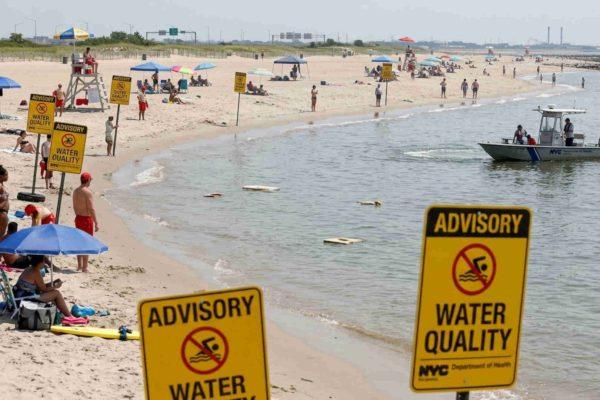
If you're planning to cool off at a New York City beach this week, you'll want to check the latest water quality reports first. Four coastal spots across Queens, the Bronx, and Brooklyn are currently under health advisories after routine testing revealed elevated levels of enterococci bacteria, a common marker of fecal contamination. The New York City Department of Health, which monitors 17 public beaches throughout the season, issued the warnings in mid-June, advising against swimming or any direct contact with the ocean at these locations.
The affected beaches include Douglaston Manor in Queens, the private Schuyler Hill beach club in the Bronx, and two Brooklyn sites: Gerritsen/Kiddie Beach and Kingsborough Community College. While these advisories don't close the beaches entirely—visitors can still sunbathe, walk, or enjoy other activities—officials strongly recommend staying out of the water to avoid gastrointestinal illnesses or skin infections.
Understanding the Alerts
It's important to know the difference between a health advisory and a full closure. An advisory means bacteria levels exceed recommended limits, but the beach remains open for non-swimming recreation. The city's health teams test water quality frequently, measuring bacterial concentration in "most probable number" units per 100 milliliters, using strict standards for both marine and freshwater environments. Factors like heavy rainfall, floating debris, and wastewater discharges can cause sudden spikes, so conditions can change quickly during the summer.
For Latino families who often gather at these beaches for weekend outings, staying informed is key. Similar issues have popped up along the Jersey Shore, where New Jersey beaches under bacteria alert have also prompted warnings this season. And with warming waters linked to climate change, the risk of flesh-eating bacteria arriving early on US coasts is a growing concern for swimmers everywhere.
How to Stay Safe
Before you pack your towel and sunscreen, check the official water quality status on the NYC Department of Parks website. The New York State Office of Parks, Recreation and Historic Preservation also monitors more than 60 public swimming points across the state, reporting closures transparently through its digital platforms. Prevention is your best tool: avoid swimming after heavy rains, steer clear of areas with visible debris or runoff, and always heed posted signs.
These advisories are a reminder that our urban beaches, beloved by communities across the boroughs, require constant vigilance. As authorities work to improve conditions, staying informed helps ensure your summer stays safe and enjoyable. For more on how water issues affect the region, check out our coverage of San Diego's water surplus offering a lifeline to Southwest cities and the broader challenges facing coastal communities.