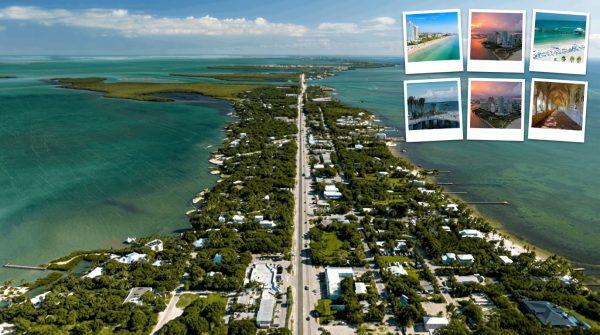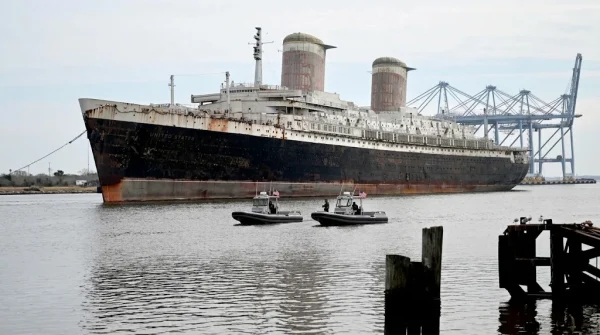
Off the coast of Destin, Florida, an ambitious project is taking shape: the sinking of the SS United States, a historic ocean liner, to create the world's largest artificial reef. Okaloosa County purchased the 1,000-foot vessel in 2024 from the SS United States Conservancy, after the ship failed to return to commercial service due to lack of funds. The plan is to tow the ship from Alabama, where it has been undergoing preparation, and scuttle it in the Gulf of Mexico, about 25 miles offshore.
A historic liner's final voyage
Built in the early 1950s, the SS United States was a marvel of American naval engineering, setting transatlantic speed records and serving as a potential troop transport during the Cold War. But by the late 1960s, commercial aviation had eroded passenger demand, and the ship was retired. After decades of layovers, the vessel found a new purpose as an artificial reef.
In March 2025, the ship was towed from Philadelphia to Alabama for extensive pre-submersion work. Crews have been cleaning over 100 fuel tanks and stripping thousands of square feet of upper decks to remove environmental contaminants. The final step will be opening the valves and hatches to let water flood the hull, scheduled for November 12, 2026.
Environmental and economic hopes
Alex Fogg, Natural Resources Chief for Okaloosa County, told NPR that the submerged hull will provide a vital surface for marine organisms to colonize, creating a thriving ecosystem. The county has prioritized environmental preparation to encourage long-term marine life. Local nonprofits also support artificial reefs as a sustainable alternative to scrapping historic vessels.
Tourism officials anticipate a significant boost in revenue from diving excursions and hotel bookings. The county board purchased the ship with the goal of creating a permanent underwater attraction for visitors from around the world. However, conservation groups have filed lawsuits, demanding more impact studies and potentially delaying the project. Federal judges are reviewing these claims, while county officials maintain their November deployment window.
Latino connections and broader implications
While this project is rooted in Florida, it resonates with Latino communities across the Gulf Coast, where fishing and marine tourism are vital to local economies. Similar reef projects have been successful in México and the Caribbean, showing how sunken ships can become havens for marine life and dive tourism. The SS United States will join a growing network of artificial reefs that support both biodiversity and coastal economies.
As the county works to resolve legal challenges, oceanographers will monitor the transformation of this historic liner into a marine sanctuary. The project underscores a broader trend of repurposing decommissioned ships, a practice that has gained traction in places like Los Cabos, where development and conservation often intersect.
For now, the SS United States awaits its final journey. If all goes as planned, it will rest on the Gulf floor, a testament to engineering and a new home for countless species. The success of this project could inspire similar efforts in other coastal regions, including those in Latin America, where artificial reefs are increasingly seen as a way to boost tourism while protecting marine environments.
As the debate continues, one thing is clear: the SS United States is about to begin a new chapter, one that will be written by the currents of the Gulf and the creatures that call it home.