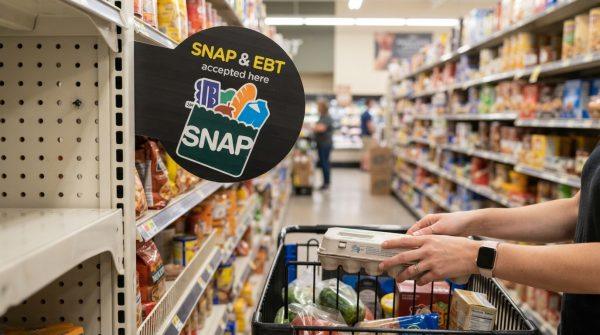
Across New York, recent changes to the Supplemental Nutrition Assistance Program (SNAP) have stirred confusion among thousands of households already stretched thin by rising costs. But here's the good news: if you're a Latino family in Washington Heights, a Dominican abuela in Queens, or a Mexican delivery worker in the Bronx, you may still qualify for food assistance—even if your income has shifted or you've heard conflicting reports.
SNAP remains a vital monthly support for low-income families, older adults, and working people throughout the five boroughs and beyond. Benefits are loaded onto an EBT card, which you can use to buy groceries at authorized stores—from the bodega on your corner to the big-box supermarket. The program has long been a lifeline for our communities, and despite the 2026 regulatory updates, it continues to serve as a buffer against food insecurity.
What changed and who still qualifies
The new rules introduced stricter work requirements for some applicants, but they don't apply to everyone. If you're under 18, over 65, pregnant, or caring for a child under 14, you're exempt. People with disabilities, those receiving disability benefits, and individuals caring for an incapacitated relative also don't have to meet the 30-hour weekly work rule. Part-time students may also be protected.
For those who do fall under the work requirement, failing to comply without a valid exemption can lead to a loss of benefits after three months. That's a harsh reality, but it's not the whole story. The state's Office of Temporary and Disability Assistance evaluates each application individually, looking at household size, monthly income, rent, and medical expenses. Minor earnings won't automatically disqualify you—a point officials have stressed to clear up misconceptions.
Income limits and what to have ready
Income limits are based on household size. For a single person, the gross monthly limit is $1,696; for a couple, it's $2,292. Larger households can earn more—up to $5,867 for eight members—and deductions for high rent or childcare can lower your countable income significantly. That means even if your paycheck seems above the threshold, you might still qualify after deductions.
To speed up your application, gather recent pay stubs, lease agreements, utility bills, and proof of identity. Submitting accurate documents through the state's online portal is key. In New York City, you'll use the ACCESS HRA platform, which lets you upload documents and complete your annual recertification online. Outside the city, the myBenefits portal or your local county department handles applications, with decisions typically made within 30 days.
How to protect your benefits
Case managers urge applicants to respond quickly to any official notice. Missing a deadline or ignoring a request for more information can cause unnecessary suspensions. Also, keep your EBT PIN and balance safe from scams—protect those resources meant for your family's nutrition.
Community organizations are stepping up to help. They're hosting workshops to explain allowable deductions and exemption categories, making sure families don't lose out because of confusion. As inflation continues to affect grocery prices, these efforts are more important than ever.
For those who need extra support, remember that SNAP isn't the only option. Some cities have local food pantries and mutual aid networks that can help in between benefit cycles. And if you're looking for other ways to stretch your budget, check out our guide on Florida's restrictions on cash assistance—though it's a different state, it highlights how benefit rules can change and why staying informed matters.
Ultimately, the key is to not give up. The system may feel complicated, but with the right information and a little patience, you can navigate it. Our communities have always found ways to support each other, and SNAP is one tool to help keep our tables full.